Buying A Historic Home In Northville, MI
July 9, 2026
Dreaming about a historic home in Northville? It is easy to fall for the charm of original wood floors, tall ceilings, and classic front porches, but buying an older home here often involves more than the usual house hunt. If you want character and history without surprises, it helps to understand how Northville’s local historic district works, what to watch for during inspections, and how renovation rules can shape your plans. Let’s dive in.
In Northville, “historic” is not just a marketing word. The city has a local historic district overlay with a Historic Preservation Ordinance first adopted in 1974, a more intensive district survey completed in 2018, and updated design guidelines in 2024.
That matters because homes inside the district may be subject to review for exterior work. According to the city, the Historic District Commission reviews construction, additions, alterations, repairs, moving, excavation, exterior changes, exterior paint colors, and demolition within the district.
For you as a buyer, the key takeaway is simple: an older home in Northville may come with added steps for exterior updates, especially if it sits inside the local historic district. The city’s property owner resources also point homeowners to the HDC review process, while the building division handles building inspections and electrical, mechanical, and plumbing permits.
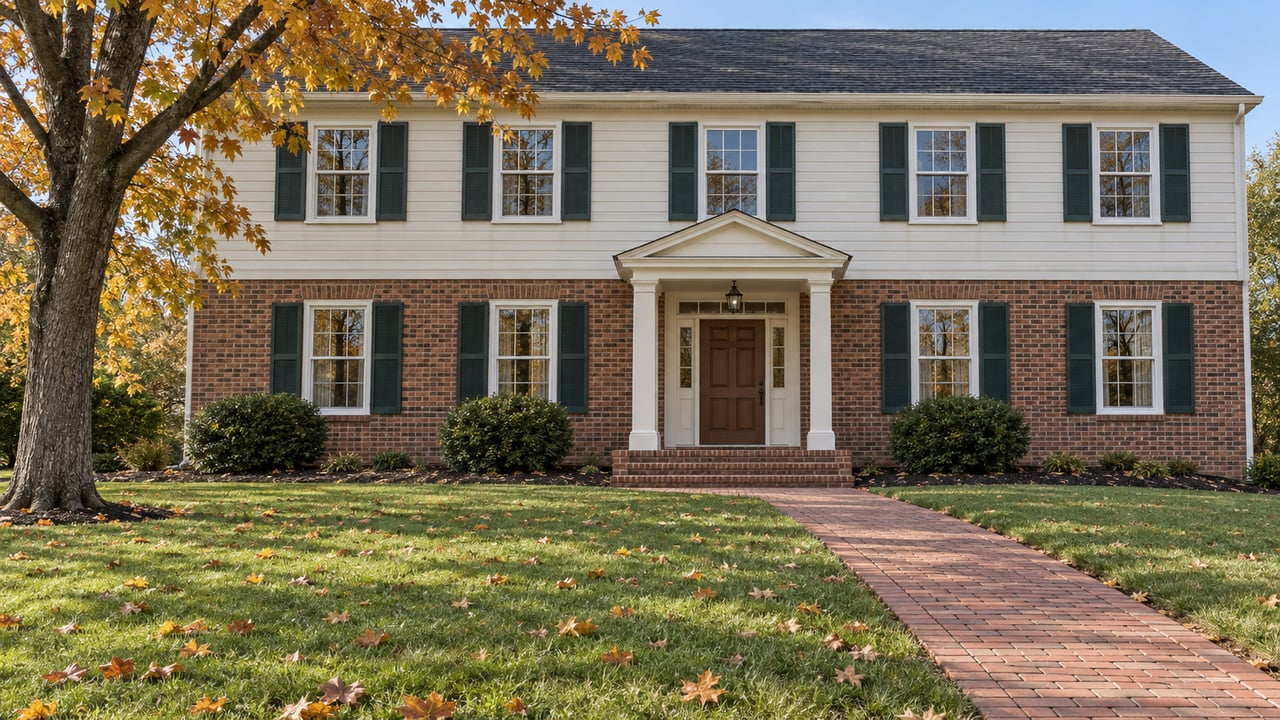
Northville’s historic housing stock offers real variety. City materials identify Greek Revival homes from about 1825 to 1860, Italianate from 1840 to 1885, Queen Anne from 1880 to 1910, Colonial Revival from 1880 to 1955, and Craftsman from 1900 to 1930.
You may also see farmhouse homes, Foursquare houses, and bungalow forms in the district. That mix means your search may include everything from early farm-era houses to late-Victorian and early-20th-century homes.
Many homes are not perfect textbook examples of one style. Northville’s design guidance focuses on compatibility, which reflects the reality that historic homes often include original details mixed with later updates and additions.
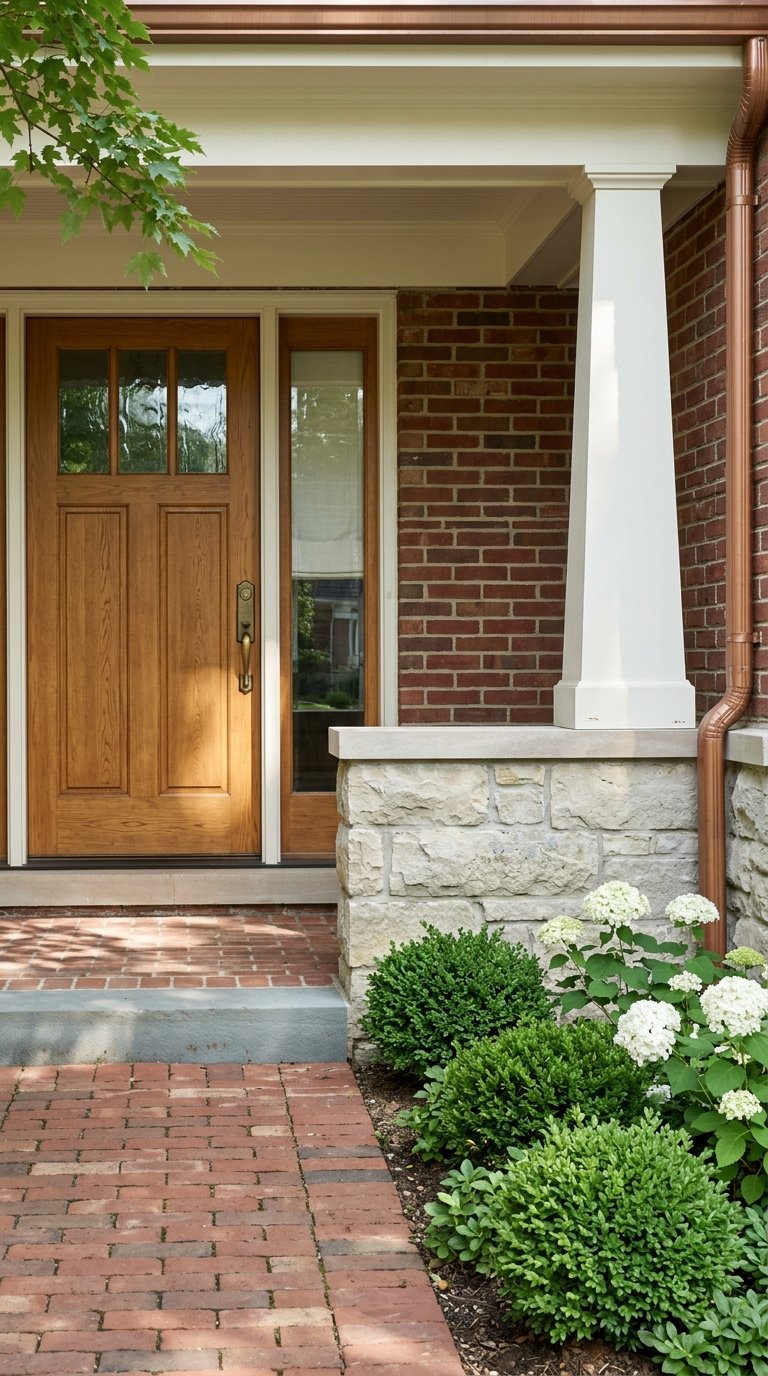
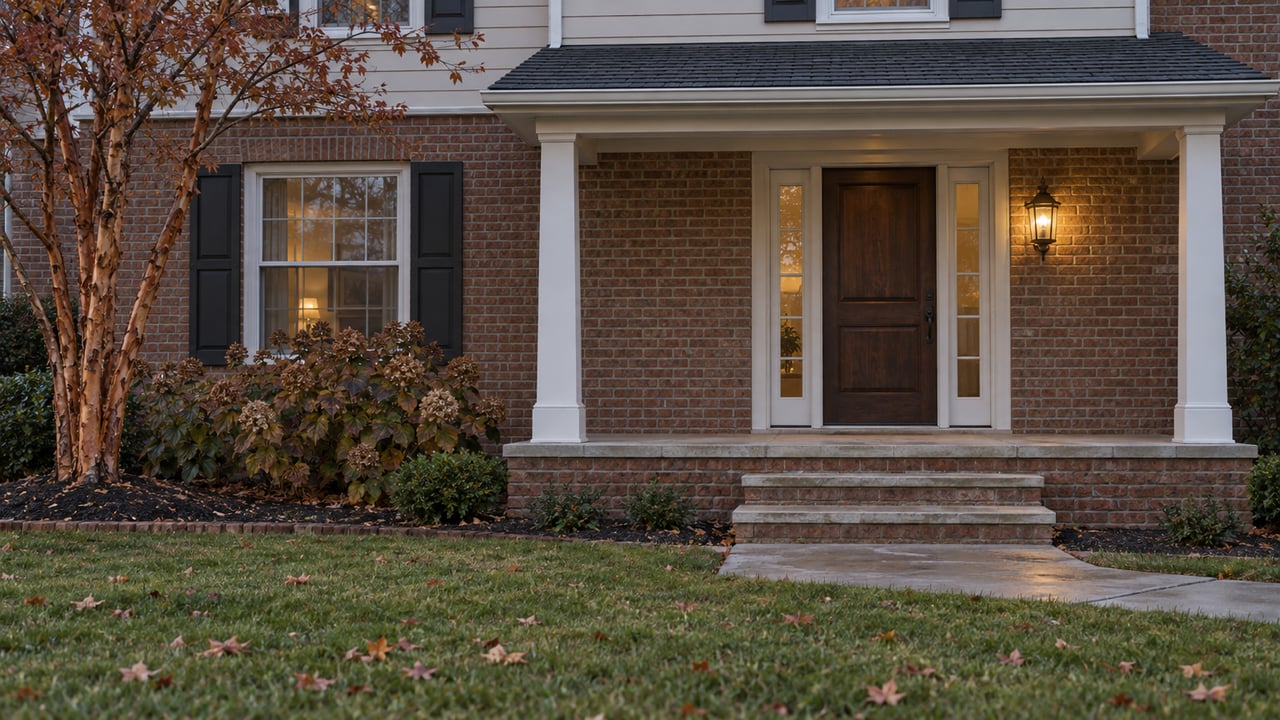
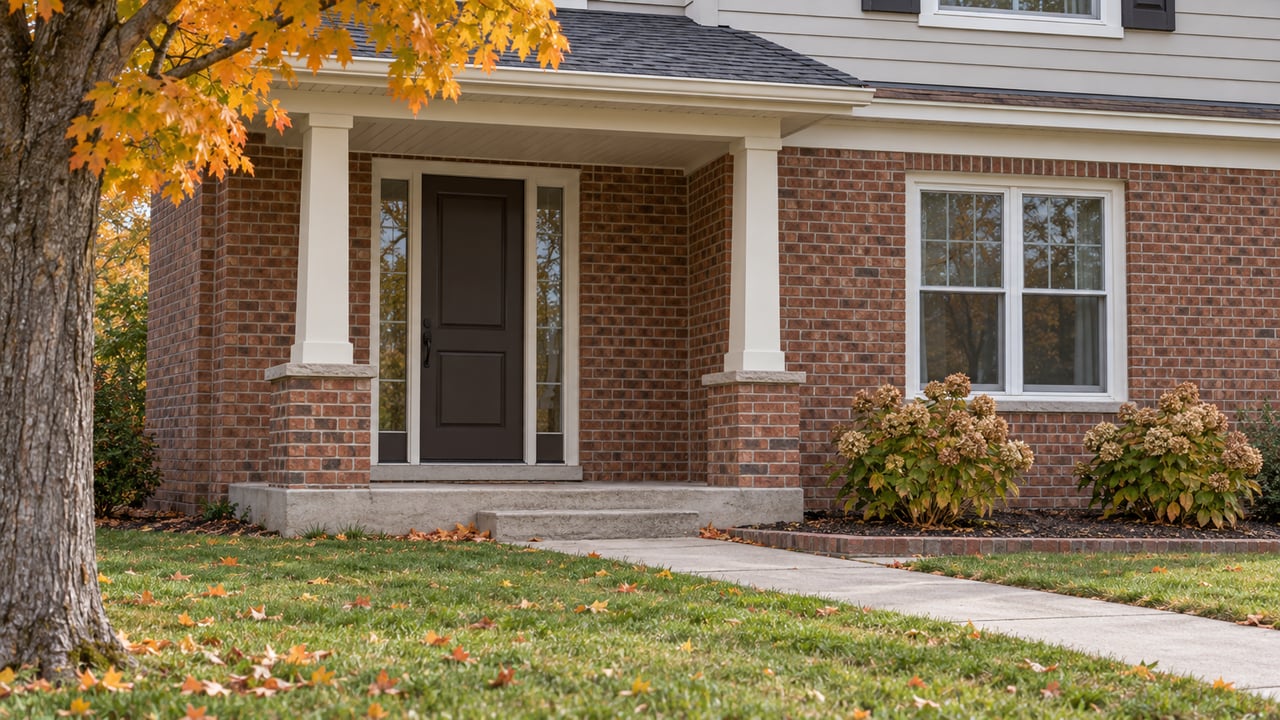
Historic homes in Northville often stand out because of details that are hard to replicate in newer construction. City homeowner materials describe features like tall ceilings, thick walls, solid-wood doors, wood floors, built-ins, porches, and distinctive window placement.
Inside, you may also notice coved or arched openings and more defined room layouts. Some buyers love that sense of separation and character, while others may prefer a more open layout.
This is where it helps to think about fit, not just beauty. A charming historic home can feel like a perfect match if you appreciate older craftsmanship and understand that the layout may reflect a different era of living.
When you tour a historic home, it is smart to look beyond the finishes. In Northville’s older homes, city resources highlight common issues involving windows, insulation, heating and cooling, and how well newer updates were integrated into the original structure.
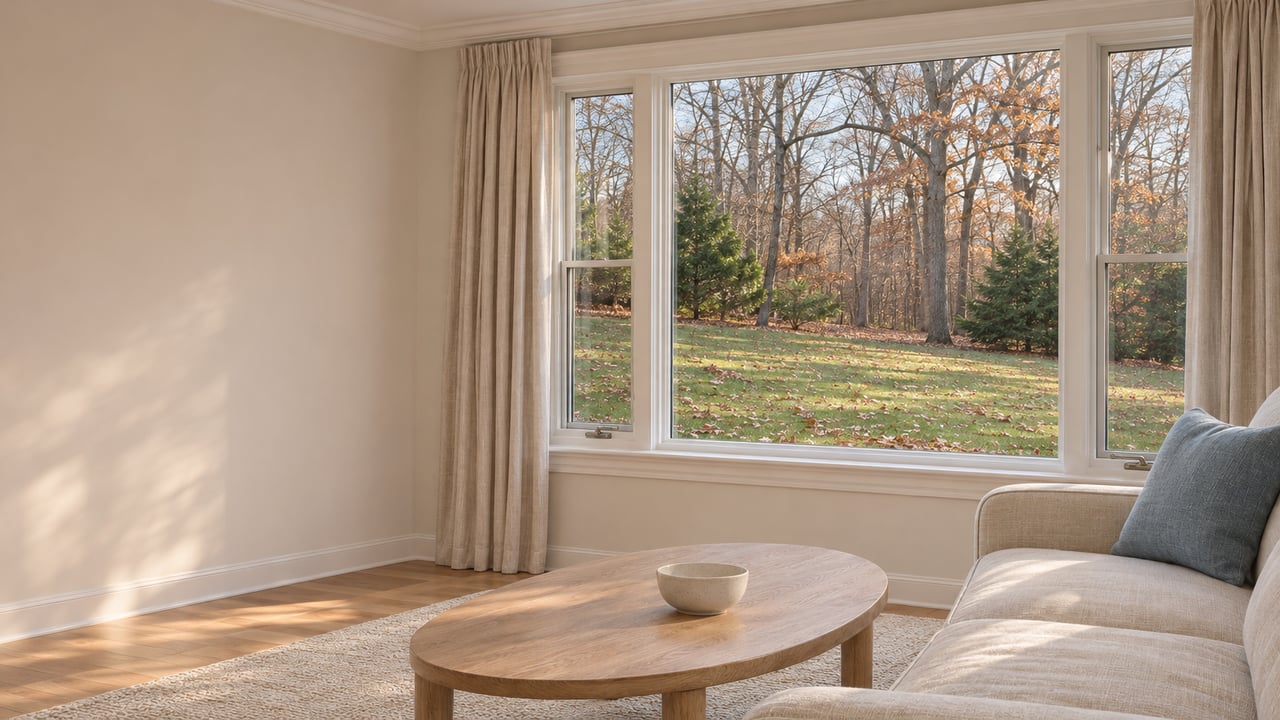
You may encounter single-pane or wavy-glass windows, storm windows, drafty rooms, retrofitted HVAC systems, and mixed wall systems such as plaster and lath. These are not automatic deal breakers, but they do deserve close attention during your inspection period.
Older homes may also have smaller kitchens and baths, more compartmentalized rooms, and rear additions that were built later to improve function. During inspections, it helps to ask what is original, what has been replaced, and whether repairs were done in a way that respects the home’s structure.
With a historic home, the whole building envelope matters. Northville’s homeowner materials specifically reference foundation and basement support work, original wood trim, layered wallpaper, and replacement windows chosen to fit existing openings.
That means your inspection questions should go deeper than surface cosmetics. You want to understand how the basement, walls, windows, insulation, and major systems work together.
If a home has been updated over time, ask how those changes were handled. A house with thoughtful repairs and compatible replacements may offer a smoother ownership experience than one with quick fixes hidden behind fresh paint.
If the home was built before 1978, lead-based paint should be on your radar. EPA says older homes are more likely to contain lead-based paint, and sellers of most pre-1978 homes must disclose known lead information and provide the required pamphlet.
EPA also notes that renovation work that disturbs painted surfaces in pre-1978 housing must follow lead-safe rules. In general, the older the home, the more likely lead-based paint is present, with especially high prevalence in homes built before 1940.
This does not mean you should avoid older homes. It means you should review disclosures carefully and understand that future renovation work may require extra planning.
If you are planning to renovate, Northville’s local review process is one of the biggest differences between buying historic and buying newer construction. The city’s application materials show that roof and shingle replacement, new or replacement windows, and other exterior or site changes are part of the HDC review process.
The city also notes that proposed work should be compatible with the historic resource. In practice, that means your material choices, design details, and final finish may need to align with what was approved.
Northville says the building inspector monitors HDC-approved materials such as roofing, siding, windows, and paint color to make sure the finished work matches the approval. If you like the idea of restoring and improving a home, this process can help preserve character, but it does require patience and planning.
Historic-home renovations often cost more than buyers first expect. One reason is that replacement materials and design solutions may need to be more customized.
Northville’s homeowner series notes that Hardie board has been accepted on several applications, while vinyl siding is not approved as a replacement material unless it was already on the home. The district standards also generally prefer detached garages in the rear yard, with attached garages allowed only when they are a common feature of the house style.
For you, that means renovation budgets should include room for better materials, design review, and a longer timeline. If original materials are too deteriorated to repair, replacement still needs to fit the home and district expectations.
Some buyers assume any historic home comes with easy tax savings. In reality, preservation incentives can be narrower than expected.
The National Park Service says the federal historic rehabilitation tax credit applies to certified historic structures used for income-producing purposes, and owner-occupied residences do not qualify. Michigan Treasury says a separate Michigan Historic Preservation Tax Credit exists for qualified historic resources and rehabilitation projects approved by SHPO after December 31, 2020.
If incentives matter to your decision, it is wise to verify whether the property and your planned project may qualify before you count on any savings.
A little extra homework can save you time, money, and frustration. If you are considering a historic home in Northville, these are smart questions to ask early:
These questions follow directly from Northville’s review process, survey materials, and the lead disclosure rules tied to pre-1978 homes. They can also help you compare one property to another more confidently.
A historic home in Northville can offer warmth, craftsmanship, and personality that many buyers find hard to resist. At the same time, ownership usually comes with more variation, more maintenance awareness, and more planning around exterior updates.
Northville’s design guidelines make clear that the goal is not to freeze homes in time. The city’s approach is meant to support compatible renovations and modernizations while preserving historic character.
If you want a home with a story and you are comfortable asking the right questions, Northville’s historic market can be a rewarding place to buy. If you want guidance sorting through district rules, inspection red flags, and the true lifestyle fit of an older home, the Broadwell Homes Team is here to help you find your home match.
Stay up to date on the latest real estate trends.
Contact Lindsey Broadwell today to learn more about her unique approach to real estate, and how she can help you get the results you deserve.