Thinking about buying a rental in White Lake but not sure where to start? You are not alone. With its lakes, parks, and easy access to Oakland County job centers, White Lake Township offers a mix of steady long-term demand and seasonal opportunity. In this guide, you will learn how the local market works, what rules to check, how to run the numbers, and whether a short-term or long-term strategy fits you best. Let’s dive in.
Why White Lake attracts renters
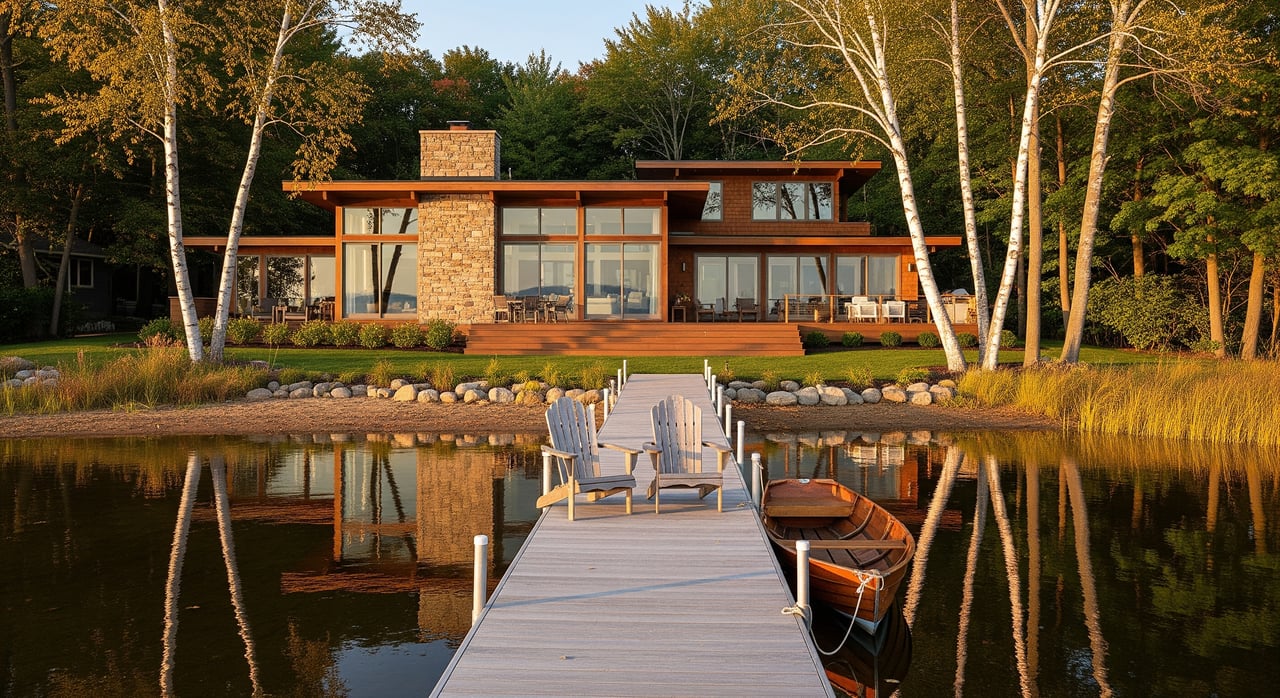
White Lake Township sits in northwest Oakland County within the Detroit metro area. You have year-round residents, plus visitors drawn to White Lake, Pontiac Lake, and nearby recreation. That mix creates opportunities for both long-term rentals and seasonal stays.
Commuters choose White Lake for suburban living with access to major employment centers across Oakland County and Detroit. Proximity to regional highways supports tenant demand over time, which can help stabilize occupancy for long-term rentals.
If you focus on lake-adjacent homes, expect stronger interest during warmer months. If you focus on neighborhoods near main commuting routes and services, you may see steadier year-round interest. Either path can work when you buy the right property and set realistic expectations.
Pick a strategy: long-term or short-term
Choosing the right rental strategy sets the tone for your financing, operations, and returns.
Long-term rentals
- Appeal to commuters and households who want stable housing near services and commuting routes.
- Plan for a reasonable vacancy factor, often 7 to 10 percent in your model.
- Typical property management fees run about 7 to 12 percent of collected rent if you hire a manager.
- Marketing and turnover costs are lower than short-term rentals, and operations are simpler.
Short-term rentals near lakes
- Lakefront or near-lake homes can command higher nightly rates in peak season.
- Factor in seasonal swings, higher vacancy in the off-season, and frequent cleanings.
- Expect more hands-on work, plus platform fees and guest communication.
- If you use a co-host or STR manager, fees can be about 20 to 30 percent, plus cleaning.
Before you choose, confirm whether short-term rentals are permitted at your target address and understand any permit or registration requirements.
Know the rules in White Lake Township
Getting compliant up front protects your investment. Regulations can change, so verify details with local officials and your attorney.
- Rental licensing and inspections: Many townships require rental registration or licensing and periodic inspections. Contact White Lake Township’s clerk or building department to confirm whether licensing applies, the inspection schedule, and any occupancy or parking limits.
- Short-term rentals: Lake communities often regulate STRs. Ask the township whether STRs are allowed, what permits or registrations are needed, maximum guest limits, noise and parking rules, and any local taxes.
- Zoning: Check township zoning maps for allowed uses, including single-family or multi-family, and any rules around accessory dwelling units.
- Federal requirements: If the home was built before 1978, a lead-based paint disclosure is required. Always comply with the Fair Housing Act and Michigan civil rights laws.
- Michigan landlord-tenant law: Michigan sets rules on deposits, notices, habitability, and evictions. Evictions are court-based, and timelines vary. Work with a Michigan real estate attorney to set clear lease language and procedures.
Run the numbers with confidence
Build a simple, conservative pro forma before you write an offer. These tools help you screen deals:
- Gross Rent Multiplier (GRM) = Purchase price divided by annual gross rent. Lower can indicate better value when other factors are comparable.
- Cap rate = Net operating income divided by purchase price. Net operating income is gross rent plus other income, minus vacancy and operating expenses, excluding mortgage.
- Cash-on-cash return = Annual pre-tax cash flow divided by total cash invested.
When you model, include:
- Vacancy: Use 7 to 10 percent for long-term rentals, higher for STRs.
- Maintenance reserves: Often 5 to 10 percent of rent, or build a per-home annual budget such as 1,000 dollars or more.
- Management: About 7 to 12 percent for long-term, higher for STRs.
- Taxes and insurance: Rental properties do not receive a principal residence tax exemption. Get parcel-specific estimates from Oakland County.
- Depreciation: Residential rentals generally use a 27.5-year schedule for federal taxes. Speak with a CPA about deductions, passive loss rules, and depreciation recapture.
For rent estimates, pull 3 to 6 comparable rentals within 3 to 5 miles for a similar property type. Use current listings and recent leases to estimate realistic achievable rent.
Financing options to consider
- Conventional investor loans: Often 15 to 25 percent down, with 20 percent a common target for one-to-four unit properties. Lenders may require cash reserves.
- DSCR or portfolio loans: Underwritten to property income, helpful if you need flexible documentation.
- Owner-occupied loans: If you buy a duplex and live in one unit, certain programs may apply. Occupancy rules are strict.
- Local banks and credit unions: Can be more flexible and offer local insight for small investors.
Rates and terms depend on credit, down payment, and property type. A local lender can outline your best path after reviewing your goals.
Due diligence for White Lake properties
Give yourself time for a thorough review, especially for lake-area homes.
- Title and survey: Confirm parcel lines, easements, and floodplain status.
- Full home inspection: Structure, roof, HVAC, plumbing, electrical. Include septic or sewer specifics and any shoreline or riparian rights for lakefront properties.
- Insurance: Price a landlord policy. For lake homes, consider added coverage for water-related risk or wind exposure. Ask your insurer about STR coverage if relevant.
- Utilities and operating costs: Request 12 months of utility history. Verify trash, water, and sewer billing.
- If tenant-occupied: Review leases, security deposits, rent payment history, and any notices or disputes.
Operations: DIY or hire a manager
You can manage yourself or hire a property manager. Each path has tradeoffs.
- DIY pros: More control and potentially higher net cash flow. Cons include time commitment, legal compliance, and coordinating repairs.
- Professional management: Less day-to-day work and better systems for leasing, maintenance, and collections. Expect about 7 to 12 percent of rent for long-term rentals, higher for short-term rentals.
Whichever you choose, keep a reserve fund. Many investors hold 6 to 12 months of mortgage payments plus an expense buffer for major repairs.
Two common scenarios in White Lake
Use these examples to pressure-test your plan.
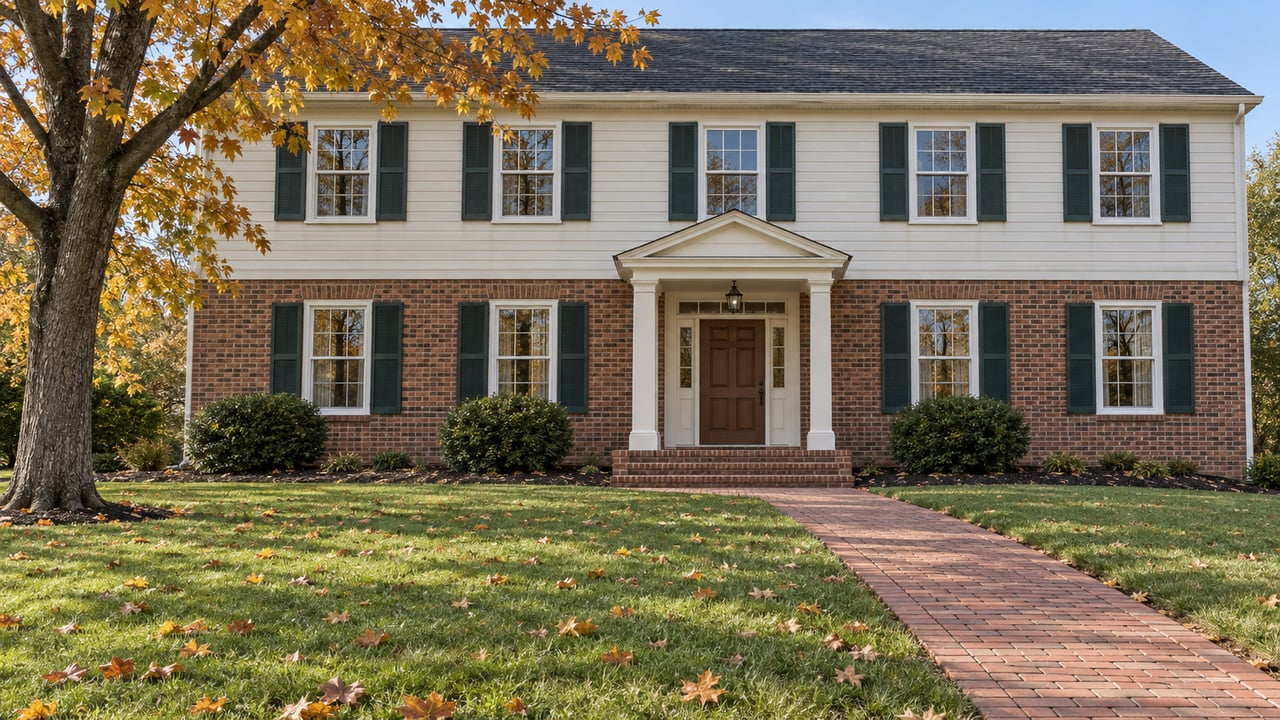
- Non-lake single-family home: Targets commuters and local households. You will model steady rent, moderate maintenance, typical long-term management fees, and lower seasonality.
- Lakefront or near-lake cottage: Targets seasonal guests or mixed-use long-term plus STR. You will model higher nightly rates in season, off-season vacancy, higher cleaning and turnover costs, and possibly higher insurance. Inspections should include shoreline and moisture management.
Neither is automatically better. The right pick depends on your financing, time commitment, and risk tolerance.
Step-by-step plan for your first rental
- Pull local comps: Sales and rental comps within 3 to 5 miles for similar property types.
- Call the township: Confirm rental licensing or STR rules, inspection schedules, occupancy, and parking.
- Check taxes: Use Oakland County parcel tools to estimate assessed value and millage for your target address.
- Get pre-approved: Speak with a lender about down payment, reserves, and loan options.
- Inspect the property: Order a full inspection and gather 12 months of utility bills and maintenance records.
- Build a pro forma: Include vacancy, management fees, reserves, taxes, insurance, and realistic rent.
- Line up advisors: A Michigan real estate attorney, a CPA familiar with rentals, and a local insurance agent.
- Plan operations: Decide on DIY vs management before closing, and create a reserve plan.
How the Broadwell Homes Team supports investors
You deserve a local partner who understands both the numbers and the neighborhood. With deep experience across Oakland County, the Broadwell Homes Team can:
- Source on- and off-market options and provide accurate rent and sale comps from MLS data.
- Advise on neighborhood fit, commuter access, and lake-area considerations for long- and short-term strategies.
- Coordinate inspections and connect you with trusted local lenders, attorneys, CPAs, insurers, and property managers.
- Provide leasing and rental placement and investor-focused guidance so you launch with confidence.
Ready to explore rentals in White Lake or nearby communities? Reach out to the Broadwell Homes Team to start your search and build your plan.
FAQs
Is White Lake a good place to buy a rental?
- It can be, depending on your strategy, with stable long-term demand near commuting routes and seasonal potential near lakes; verify rents, vacancy, expenses, and rules before you buy.
What returns should I expect on a White Lake rental?
- Returns vary by price, financing, and rent; use cap rate, GRM, and cash-on-cash metrics, and model conservative vacancy, maintenance, and management costs.
Are short-term rentals allowed in White Lake Township?
- Rules can change by area and property, so confirm with the township about STR permits, registration, taxes, occupancy limits, and parking or noise standards.
What expenses should I plan for as a beginner landlord?
- Budget for mortgage, property taxes, insurance, maintenance, management fees if used, utilities if owner-paid, HOA fees if any, marketing, vacancy allowance, and for STRs add cleaning and platform fees.
How can I manage a White Lake rental if I live out of town?
- Hire a local property manager or build a network of reliable contractors and keep a repair and reserve fund, then set clear processes for leasing, maintenance, and emergencies.