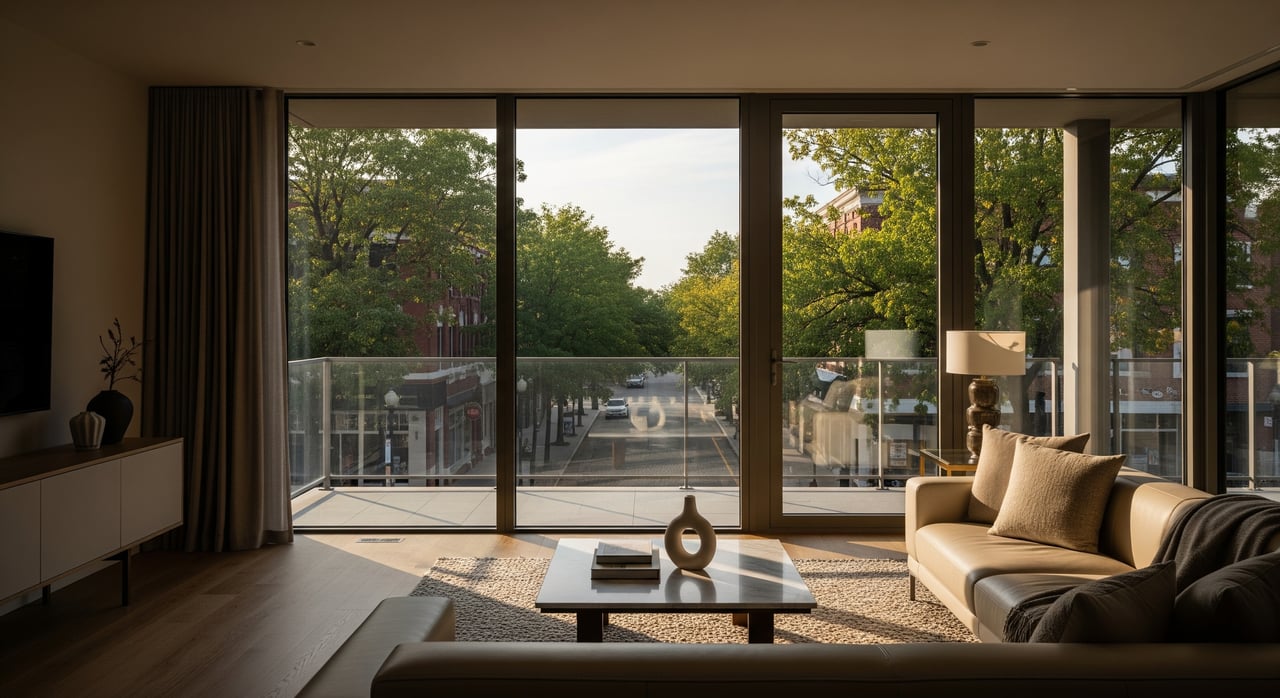
Condo vs. House in Northville: Find Your Best Fit
January 1, 2026
Trying to decide between a condo and a house in Northville? You are not alone. Many buyers here weigh low‑maintenance living near downtown against more space and control in suburban neighborhoods. This guide breaks down the tradeoffs in plain language so you can choose with confidence. Let’s dive in.
| Factor | Condo | Single-family house |
|---|---|---|
| Entry cost | Often lower purchase price in similar areas | Often higher for comparable locations |
| Monthly costs | HOA dues plus interior utilities | Utilities plus all exterior upkeep |
| Maintenance | Exterior handled by association | You handle roof, yard, snow, and more |
| Space & privacy | Shared walls, limited outdoor space | Private yard, more separation |
| Rules & flexibility | Association bylaws and restrictions | More freedom to modify, subject to permits |
| Walkability | Often closer to downtown amenities | Often car‑dependent, varies by neighborhood |
| Financing | Lender may review project approvals | Standard home lending |
| Resale | Strong near walkable cores | Broad buyer pool, especially for yards |
Northville blends a historic, walkable downtown with quiet suburban neighborhoods. Near Old Village and downtown, you will see historic homes, townhomes, and low‑rise condos that put restaurants, shops, and events within a short stroll. Further out, planned subdivisions and newer single‑family communities offer larger lots, garages, and more privacy.
Commuters value access to major employment hubs around Metro Detroit, Novi, and Ann Arbor. School assignments vary by address, and Northville Public Schools are a common consideration for many buyers. If access to downtown shops and dining is your top priority, condos or townhomes near the core can fit well. If yard space, privacy, and future renovations matter most, a house in a subdivision may be the better path.
For similar locations, single‑family homes typically carry higher purchase prices and larger down payments than condos. Condos can be a more affordable entry into walkable areas or amenity‑rich communities. Always compare recent sales for both property types in your target neighborhood to understand true value.
Lenders may apply extra reviews to condos. Your loan officer will look at the condo project’s financial health, reserves, owner‑occupancy ratios, and whether the building meets program rules for FHA or VA loans. Conventional loans are widely available for both property types, but condo approvals can take extra time, so start early with a lender.
Houses tend to attract a broader buyer pool, especially among those who want yards and long‑term flexibility. Condos can be very competitive when they offer walkability, amenities, or lock‑and‑leave convenience. Age and management quality matter for condos, since underfunded reserves or deferred maintenance can affect financing and resale.
If you want a yard for gatherings, pets, gardening, or play, a house gives you more outdoor space. It also comes with more hands‑on maintenance, from roofs and driveways to lawn care and snow removal. Condos reduce those tasks and give you more free time, which is great if you travel often or prefer low‑maintenance living.
With a house, you have more freedom to renovate and personalize, subject to permits and any neighborhood covenants. Condo associations set rules for exterior changes and sometimes interior work that could affect building systems. Ask for the bylaws and architectural guidelines before you plan updates.
Many condos include shared amenities like a clubhouse, fitness center, pool, or guest parking. If being close to dining, coffee, and community events is a priority, a downtown‑area condo or townhome may be ideal. If you want quiet streets and larger indoor space, a single‑family home in a subdivision may fit better.
Before you buy a condo, request the full document set. That includes bylaws, covenants, rules, the current budget, any reserve study, recent board meeting minutes, and a record of assessments. Review owner‑occupancy rates, delinquency rates, and any pending litigation. These items affect day‑to‑day living, dues stability, financing, and resale.
Confirm whether the master policy is all‑in or bare‑walls and how deductibles are handled. Ask how losses are allocated among owners and what coverage you need inside your unit. For houses, verify your policy details for the structure, detached elements, and liability. In either case, review coverage with a licensed insurance agent so your plan matches your risks.
Use these quick checklists to compare options and reduce surprises.
Choosing between a condo and a house in Northville is easier with local insight and clear numbers. Our team can pull current MLS data on prices, days on market, and inventory for each property type in your target neighborhoods. We also help you request and interpret HOA documents, coordinate with trusted lenders on condo project approvals, and connect you with local insurance and legal professionals when needed.
If you are comparing two or three homes right now, we will map out the real monthly costs side by side and flag any legal or maintenance red flags before you write an offer. When you are ready, the Broadwell Homes Team will guide you step by step so your choice fits your lifestyle today and your plans for tomorrow.
Stay up to date on the latest real estate trends.

Contact Lindsey Broadwell today to learn more about her unique approach to real estate, and how she can help you get the results you deserve.