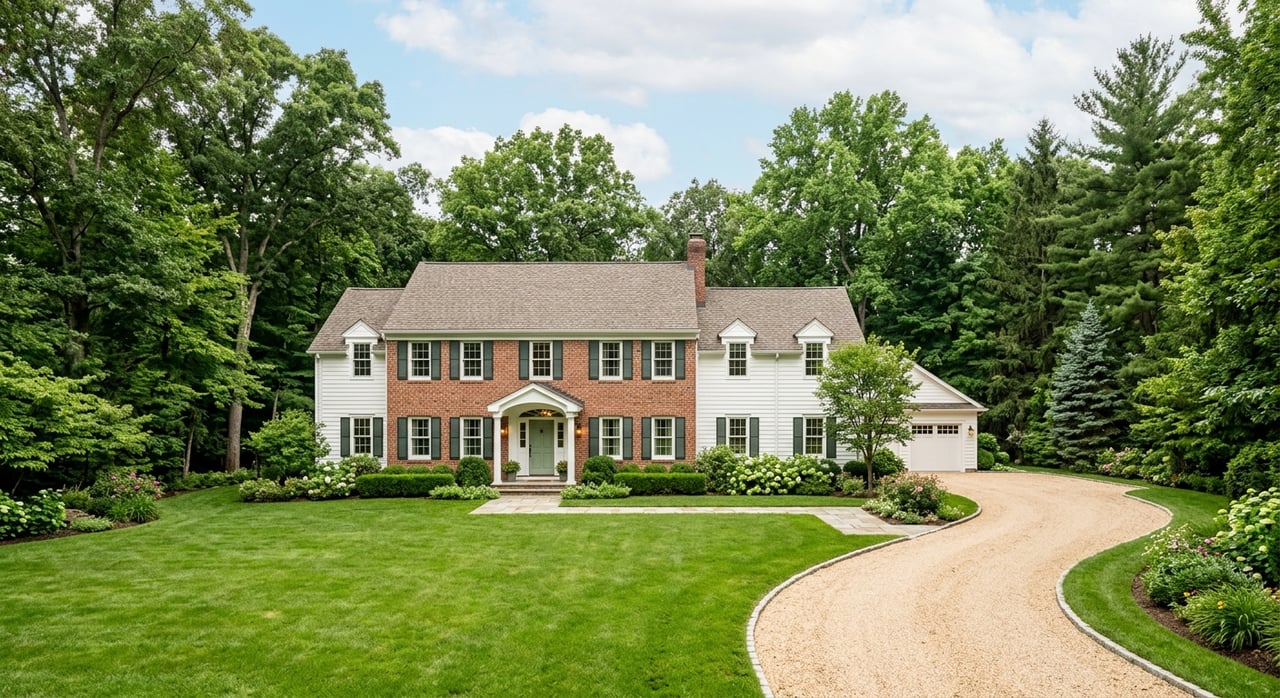
Highland MI Homes on Acreage: What Buyers Should Know
June 25, 2026
If you’ve ever dreamed about more elbow room, quieter mornings, and space to use your property your way, acreage living in Highland may already be on your radar. It can offer a very different experience from a typical suburban lot, but it also comes with practical tradeoffs that are easy to overlook at first. If you are wondering whether Highland acreage is the right fit for your lifestyle, this guide will help you think through the land, the upkeep, and the day-to-day reality. Let’s dive in.
Highland Township sits on the western edge of Oakland County and offers a mix of rural, suburban, and lake living. The township notes that M-59 runs through the community and connects residents to US-23 and more urbanized parts of southeast Michigan. That combination gives you a setting that can feel more spread out while still keeping key routes within reach.
Highland also stands out for its natural setting. The township lists 26 lakes across 33.85 square miles, which means you can find a wide range of parcel types, from larger inland lots to lake-adjacent properties to more conventional neighborhood homes. If you want room to spread out without giving up access to the broader Oakland County area, Highland offers a distinctive middle ground.
Not all acreage in Highland is the same, and that matters more than many buyers expect. The township’s zoning framework includes areas such as ARR with a 5-acre minimum lot size and R-3 with a 3-acre minimum lot size. The 2025 master plan also says rural residential areas are intended to preserve natural features and encourages small-scale agriculture, including hobby farms.
That means two properties that both look “large” online may allow very different uses in real life. Setbacks, building scale, and property use depend on the parcel’s zoning classification. Before you fall in love with a home or vacant parcel, it is smart to confirm how that specific property is zoned and what that zoning actually permits.
If you hope to add an outbuilding, keep a large garden, or simply enjoy a more open layout, zoning can affect what is possible. Highland’s planning approach is designed to preserve rural features in some areas, but that does not mean every parcel has the same flexibility. Details like frontage, lot size, and buildable area can all influence how usable the land feels.
For buyers, this is one of the biggest differences between shopping for acreage and shopping for a standard subdivision home. You are not just buying square footage inside the house. You are also buying a set of land rules that will shape how you can use the property over time.
Some buyers see a large parcel and immediately think about splitting it later. In Highland, land division has specific requirements. The township says an acceptable land division must have suitable road access, minimum frontage, minimum acreage, and minimum buildable area, and some projects may also need Road Commission for Oakland County approval for a driveway or private-road approach.
That does not mean division is impossible. It means you should treat it as a due diligence question, not an assumption. If future flexibility matters to you, it is worth verifying early rather than relying on a guess.
Acreage usually works best when the land has a purpose. On paper, more yard may sound simple, but large residential parcels can become time-consuming if they are treated as one giant lawn. Guidance cited in the research points to a more intentional approach, with land planned in public, private, and service areas rather than just open turf.
In practical terms, that often means using different parts of the property in different ways. Many owners create a mix of spaces such as:
This kind of layout can help the property feel more useful and easier to manage. It can also reduce the amount of mowing and routine upkeep that comes with unused lawn.
For many buyers, the biggest surprise is maintenance. More land often means more mowing, more seasonal work, and more decisions about how to care for the property. Research cited from extension and natural resource guidance makes the point clearly: there is no true no-maintenance landscape, and large properties can become labor-intensive if the land is not managed thoughtfully.
That does not mean acreage living is a bad fit. It simply means the lifestyle works best when you are honest about how much time, effort, and budget you want to put into the land. If you love outdoor projects and want room to shape the property over time, that may be a plus. If you want a low-effort routine, the amount of land may be worth reconsidering.
One of the smartest mindset shifts is realizing that every square foot does not need to be manicured turf. Research in the report notes that reducing unused lawn can save time and expense. On a larger parcel, that can make a meaningful difference.
Instead of maintaining every area the same way, many owners focus lawn care around the home and transition outer areas into lower-maintenance uses. That approach can help preserve the open feel of the property without turning your weekends into nonstop yard work.
Road access is a practical issue that deserves close attention. Highland Township says it has no responsibility for road maintenance inside its boundaries. Public roads are maintained by the Road Commission for Oakland County, while residents on private roads are responsible for maintaining them.
That distinction matters when you are buying a home set back from the road or one that depends on a long driveway or private-road access. It is important to understand what kind of road serves the property, who maintains it, and what that could mean for cost and day-to-day convenience.
If a property is on a private road, you may want to ask:
These questions are not meant to be alarming. They are simply part of buying acreage wisely, especially in locations where homes can sit farther from main roads.
If you are moving from a more conventional suburban setting, utility service can feel different on acreage. Oakland County says onsite sewage disposal is the only viable alternative where sewer service does not exist, and the county has more than 80,000 onsite systems. The research also notes that private residential wells are common across Michigan.
For you as a buyer, the takeaway is simple. Confirm water and sewer status early. If a property uses a private well, septic system, or both, that should be part of your evaluation from the start, not a detail you sort out later.
Acreage buyers often focus first on the house and the setting, which is understandable. But utility questions can have a big impact on ownership experience. Knowing whether the property is served by well, septic, or other systems helps you understand maintenance responsibilities and inspection needs before you move forward.
This is one of the reasons acreage purchases benefit from patient, detail-oriented guidance. The lifestyle can be rewarding, but the details matter.
Because Highland includes many lakes, some acreage searches naturally cross into lake-adjacent or lakefront property. In those cases, shoreline management becomes part of the ownership picture. The research notes that inland-lake shoreline guidance emphasizes low-mow, native-plant buffers and that shoreline areas are ecologically sensitive.
The report also notes that permits may be required for work below the ordinary high-water mark. If a property includes shoreline, the land may offer beautiful views and added enjoyment, but it also calls for a thoughtful approach to how that area is maintained and improved.
Acreage living in Highland is connected, but it is generally more car-oriented than walkable. The township’s Downtown Development Authority says the Highland Station district includes nearly 700 acres of office and commercial property along Milford Road and M-59, which suggests that shopping and services are concentrated in key corridors. In other words, daily errands are usually more about driving than strolling.
That tradeoff is part of the appeal for many buyers. You may give up some convenience in exchange for privacy, open space, and a quieter setting. Highland is also listed as 33 miles from Southfield and 47 miles from Detroit, which helps frame commuting expectations for buyers who work in other parts of metro Detroit.
One of Highland’s strongest lifestyle advantages is recreation. The Michigan DNR describes Highland Recreation Area as a 5,900-acre park with more than 10 inland lakes and 44 miles of trails open to equestrians, mountain bikers, hikers, and skiers. For buyers who want land and also want easy access to outdoor activity, that is a meaningful part of the local lifestyle.
This can be especially appealing if you want your home environment to feel more connected to nature. Private space at home and public recreation nearby can be a very attractive combination.
Highland acreage tends to fit buyers who want room to spread out and are comfortable with a more hands-on ownership experience. If you value privacy, flexible outdoor space, and access to recreation, the lifestyle may feel like a strong match. If you prefer a more compact property with simpler maintenance and less driving, a traditional neighborhood setting may be easier to manage.
The right fit comes down to how you want to live, not just how much land sounds nice in theory. Acreage can be rewarding when your expectations match the reality of the property.
If you are considering acreage living in Highland, the best next step is to look beyond the photos and ask smart questions about zoning, roads, utilities, and upkeep. That is where a good opportunity becomes a confident decision.
If you want help finding the right balance of land, lifestyle, and long-term practicality in Highland or nearby Oakland County communities, the Broadwell Homes Team is here to help you find your home match.
Stay up to date on the latest real estate trends.
Contact Lindsey Broadwell today to learn more about her unique approach to real estate, and how she can help you get the results you deserve.