Imagine waking up to the ripple of waves and sunsets that paint the water gold. If you are considering a lakefront home in Waterford Township, you probably want that everyday calm along with easy access to boating, fishing, and swimming. Lakefront living is special here, but it comes with unique due diligence that protects your investment and lifestyle. In this guide, you will learn what to check, who to contact, and how to buy with confidence. Let’s dive in.
Why Waterford lakefront stands out
Waterford Township sits in Oakland County’s lake country, where small and mid-sized inland lakes shape daily life. You get close-to-town convenience with a vacation feel, plus access to Metro Detroit jobs and amenities. Because shoreline is limited, lakefront homes often sell at a premium compared with similar non-waterfront homes.
Inventory ranges from mid-century cottages to renovated and newly built homes. Many older properties have legacy septic systems and shoreline armoring. Showings and inspections are most active in spring through fall, while ice and cold weather can limit certain inspections in winter.
How lake choice affects value
Not all lakes offer the same experience. A few factors can change price, maintenance needs, and day-to-day enjoyment:
- Lake size and boating rules affect noise, wake, and the types of watercraft allowed.
- Water clarity and quality influence swimming and overall enjoyment.
- Parcel depth and shoreline frontage impact privacy and potential for docks or lifts.
- Views, orientation to sunset, and proximity to public launches or marinas can affect both value and activity levels nearby.
Shoreline types and erosion checks
The shoreline tells a story about stability and upkeep. You will commonly see three shoreline types in Waterford:
- Natural vegetated edges that support habitat and can improve water quality.
- Riprap rock that stabilizes banks where erosion is an issue.
- Seawalls that signal past erosion or development and often need ongoing maintenance.
Look for signs of erosion, leaning walls, patched sections, or recent shoreline work. If erosion is visible, plan a specialist evaluation. Confirm whether prior shoreline work was permitted and compliant.
Docks, lifts, and boathouses
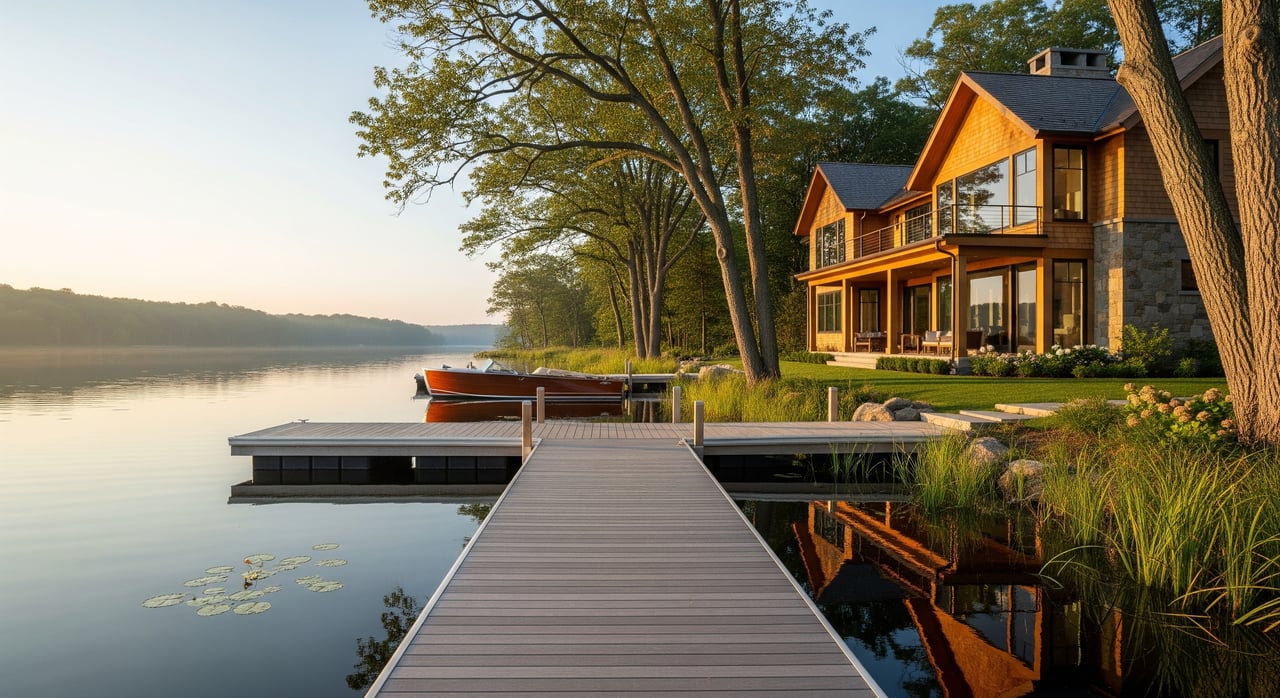
Existing docks and lifts may be seasonal or permanent structures. Ask for proof of ownership and permits, then inspect for structural soundness and safe electrical service. If you plan to install, replace, or expand a dock or boathouse, expect to navigate local permits and possible state review. Unpermitted work can lead to stop-work orders or costly fixes later.
Septic and well essentials
Many lakefront parcels rely on private septic and, in some cases, private wells. For cottages converted to year-round use, capacity and system age matter.
- Ask for septic service records, inspections, and any dye test results.
- Map the tank and drain field location to confirm setbacks from the lake and room for replacement if needed.
- Order a well inspection and lab testing for bacteria and common contaminants. Evaluate well depth and recovery rate.
A strong inspection package reduces risk and helps your lender and insurer approve the property.
Lake access, rights, and use rules
Confirm your exact access type: private deeded frontage, shared access, or public access nearby. Waterfront ownership includes certain riparian or littoral rights, but association bylaws or local rules may limit mooring locations, dock size, rentals, or boat types. Verify any shared driveways, shorefront easements, or municipal access paths that could affect privacy and use.
Permits and who regulates what
Waterfront work in Waterford can involve multiple layers of oversight:
- Waterford Township handles zoning, building permits, setbacks, and many shoreline-related structures.
- Oakland County departments may review environmental and health items.
- Michigan EGLE regulates activities that impact inland lakes and wetlands, including some shoreline structures, dredging, and vegetation work.
- Michigan DNR covers boating rules and aquatic invasive species guidance.
- Federal review can apply through the U.S. Army Corps of Engineers for certain wetlands and navigable waters.
Commonly permitted items include docks, piers, boathouses, shoreline stabilization, and any work that places material in the water. Ask the seller for copies of permits and approvals and verify compliance before you buy.
Insurance, financing, and taxes
Lakefront ownership can change the insurance and lending checklist.
- Flood insurance may be required if the home sits in a FEMA Special Flood Hazard Area. Even outside mapped zones, low-lying parcels can face flood risk. Confirm with your lender and insurer.
- Homeowners policies may exclude some water damage without endorsements. Ask about sewer backup and dock liability. Many buyers add an umbrella policy for extra protection.
- Appraisals can be more complex because true waterfront comparables are scarce. Lenders will also ask about septic condition, shoreline stability, and flood status.
- Taxes can be higher due to assessed value, and some lakes have special assessments for weed control or improvements. Request the tax history and ask about any current or planned lake assessments.
Water quality, HABs, and invasive species
Water quality can change by season and by lake. Harmful algal blooms sometimes occur on Michigan inland lakes and can affect recreation during events. Aquatic invasive species, such as zebra mussels or Eurasian watermilfoil, can alter the lake environment and maintenance needs. Check recent testing or reports from lake associations and state resources. Ask about any fish consumption advisories that may apply to the specific lake you are considering.
Maintenance and seasonal living
Budget for specialized upkeep in addition to routine home care.
- Docks and lifts often require seasonal installation and removal, plus periodic repairs.
- Seawalls and riprap need inspections and occasional reinforcement.
- Septic systems require pumping and monitoring, and older systems may need replacement.
- Shoreline trees and structures can be affected by storms and ice.
- Winterization is essential for pipes, irrigation, and waterfront systems.
Adopting stewardship practices helps protect the lake and your property value. Maintain native shoreline buffers, limit fertilizer, dispose of yard waste properly, and follow clean, drain, dry steps for boats to limit the spread of invasive species.
Step-by-step due diligence checklist
Use this checklist before you write an offer and during inspections:
- Pull parcel records from Oakland County and verify zoning and permit history with Waterford Township.
- Ask the seller for dock and shoreline permits, septic records, well tests, and any lake association documents or assessments.
- Book inspections: full home, septic with dye test if applicable, well and water quality, and a shoreline and dock assessment by qualified pros.
- Check FEMA flood maps for the parcel and confirm lender flood insurance requirements.
- Contact the local lake association and state resources for recent water-quality and invasive species updates.
- Confirm utility availability and winterization needs. Get contractor estimates for any planned upgrades or deferred maintenance.
- Review tax history and any lake district or special assessments, including potential future projects.
- If needed, consult an attorney on riparian rights, easements, and association or deed restrictions.
Local resources for buyers
These organizations provide parcel-specific rules, technical guidance, and data:
- Waterford Township Building and Zoning
- Oakland County property records and environmental services
- Michigan EGLE inland lakes and water-quality resources
- Michigan DNR boating and aquatic invasive species guidance
- FEMA flood maps and NFIP resources
- Michigan State University Extension and Michigan Sea Grant homeowner guides
- Local lake associations for lake-specific testing and rules
Buying lakefront in Waterford should feel exciting and informed. With thoughtful inspections and the right guidance, you can enjoy the lifestyle while protecting your investment for years to come. If you want a local, hands-on partner to streamline the search, inspections, and negotiations, the Broadwell Homes Team is ready to help you Find Your Home Match.
FAQs
What makes Waterford lakefront purchases different from other Oakland County homes?
- Limited shoreline supply, varied lake rules, septic and shoreline structures, and potential permits add extra steps compared with non-waterfront properties.
How do permits work for docks and seawalls in Waterford?
- Expect local township permits and possible state review for shoreline work. Ask for existing permits, then verify compliance before you buy or upgrade.
Do I need flood insurance for an inland lake home in Waterford?
- Only if your structure is in a mapped FEMA flood zone or if your lender requires it, but many owners choose added coverage based on site elevation and risk.
Which inspections are essential for a Waterford lake house?
- General home, septic, well and water testing, plus shoreline and dock evaluations by contractors experienced with marine structures.
How do lake associations affect ownership and use?
- Associations often manage water-quality efforts, weed control, and use rules. Review bylaws, fees, and any special assessments before closing.
Are harmful algal blooms or invasive species a concern on Waterford lakes?
- They can occur on Michigan inland lakes. Check recent lake association updates and state resources for current conditions on the specific lake.
What ongoing costs should I expect for lakefront maintenance?
- Seasonal dock work, shoreline repairs, septic pumping and potential replacement, tree care, and possible lake association fees or special assessments.