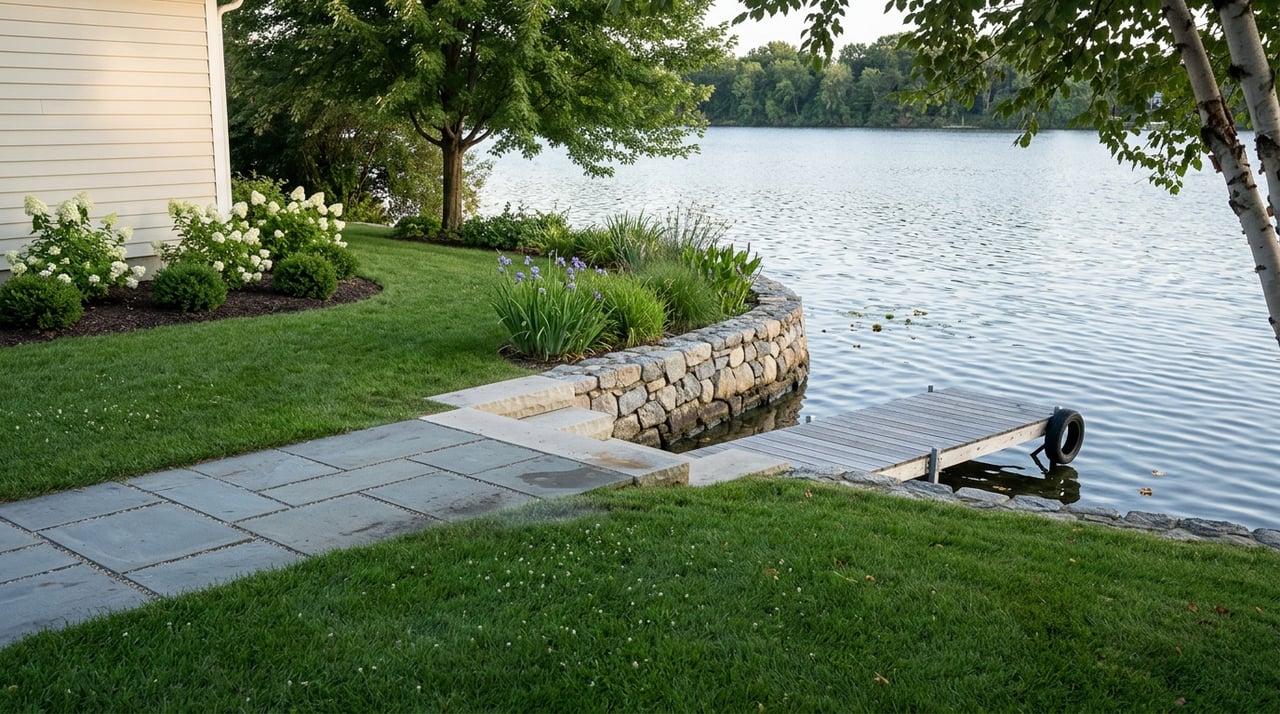
White Lake Lakefront vs Lake Access: Which Fits Best?
June 11, 2026
June 11, 2026
If you are dreaming about life near the water in White Lake, one word in a listing can change everything. A home described as lakefront offers a very different experience from one with lake access or lake privileges, and that difference can affect your budget, your daily routine, and how you use the lake. If you want to know which option fits your lifestyle best, this guide will help you compare the tradeoffs and shop with more confidence. Let’s dive in.
In White Lake Township, lake living comes in more than one form. The township describes the community as having 21 lakes within 37 square miles, so it makes sense that many buyers focus on water-related homes.
In the local market, homes generally fall into two categories. You will usually see either direct waterfront homes with shoreline ownership or off-water homes that include some kind of deeded, HOA, or community access to the lake.
A true lakefront home usually gives you direct access to the water from your own property. In local listings, that often shows up through terms like frontage, private shoreline, dock, sandy beach, or direct access.
That setup is appealing if you expect to be on the water often. You can step outside, head to your dock or shoreline, and enjoy the lake without driving to a shared launch or beach area.
Lakefront listings in White Lake can vary by lake and property type. Current waterfront inventory in ZIP code 48383 shows a median listing price of $515,000, while 48386 shows a median listing price of $480,000.
That is important context because the broader market is lower. Redfin market snapshots show median sale prices around $312,000 in 48383 and $333,000 in 48386, which suggests waterfront homes are typically priced above the overall White Lake market.
A lake access home does not usually include full shoreline ownership. Instead, the property may come with deeded access, beach access, lake privileges, or rights to use a shared launch or common area.
This can still give you a strong lake lifestyle, but the details matter. Some homes include beach-only access, while others include boat-launch rights or broader use of a community lot.
That is why it helps to read listing language carefully. Terms like lake privileges or deeded access sound similar, but they do not always mean the same thing in practice.
For many buyers, the biggest difference comes down to cost. Lakefront homes in White Lake usually command a premium because you are paying for direct shoreline use, views, and everyday convenience.
Lake access homes are often the more budget-friendly path to living near the water. Local examples in White Lake include access homes and recent sales around $150,000, $273,000, $299,500, $334,900, and $420,000, depending on the home’s size, updates, and access type.
That pricing spread can create a very different home search. If you care more about getting onto the lake at a lower entry point, an access home may help you preserve budget for the house itself.
If you expect to use the water regularly, the lakefront premium may feel worth it. You are paying for ease, privacy, and the ability to enjoy the lake right outside your door.
Not every lake home in White Lake offers the same experience. Some homes are on all-sports lakes, while others are tied to electric-motor-only lakes or private-lake settings.
This matters because the word lake can create assumptions that do not match reality. If you want full boating activity, tubing, or frequent time on the water, you need to confirm what the specific lake actually allows.
A home can look perfect on paper and still miss the mark for your lifestyle if the lake rules do not align with how you plan to use it. Asking that question early can save you time and frustration.
White Lake listings often give clues about what kind of property you are seeing. Learning those patterns can help you sort options faster.
A direct waterfront listing will often mention:
A lake access listing will often mention:
Even with those clues, you should still verify the exact setup. The best move is to confirm what rights transfer with the property and what shared rules apply.
Whether you are considering lakefront or lake access, asking the right questions can protect your budget and your expectations. A beautiful view is great, but the fine print shapes your day-to-day experience.
Find out whether the access is deeded, HOA-based, or part of a community arrangement. That distinction helps you understand how secure the access is and how it is managed.
Not every right is automatic. You should confirm whether the beach rights, launch rights, or use of a shared lot transfer with the property at closing.
This is a big one in White Lake. Some lakes support full boating activity, while others may limit motors or have private-use restrictions.
If the property relies on a beach lot, launch, or shared common space, ask who handles maintenance. You will also want to know whether there are HOA dues or shared costs tied to that upkeep.
The asking price is only part of the picture. One White Lake access listing notes HOA dues of $100 per month, so it is smart to compare total monthly cost, not just purchase price.
If you are buying lakefront, ownership also comes with more responsibility. In Michigan, EGLE regulates certain inland-lake work under Part 301, including dredging, filling, shoreline protection, and structures on bottomlands.
For docks, the general distinction is important. EGLE says permanent docks and boat hoists on inland lakes or streams require permits, while seasonal private non-commercial docks or hoists generally do not if they are removed after boating season and do not unreasonably interfere with others or water flow.
Beach work can also be regulated. EGLE says beach sand placed waterward of the water line and dredging below the ordinary high-water mark require permits.
For many buyers, that means lakefront ownership is not just about access and views. It also includes understanding what improvements you can make, what permits may be needed, and what ongoing shoreline care may involve.
The right choice often comes down to how you want to live. Lakefront and lake access can both be great options in White Lake, but they serve different priorities.
White Lake offers a lot of variety, which is part of its appeal. With 21 lakes in the township and a mix of direct waterfront homes, deeded-access properties, shared beach lots, and different lake-use rules, two homes can sound similar online but live very differently in real life.
That is why local guidance matters. When you understand the difference between shoreline ownership and shared access, you can focus on homes that truly match your goals instead of chasing listings that only sound right at first glance.
If you are weighing lakefront versus lake access in White Lake, the best next step is to compare homes through the lens of your routine, budget, and intended lake use. The right fit is the one that supports how you actually want to live, not just what looks good in a listing description.
If you want a patient, local guide to help you compare lake homes and narrow in on the right fit, the Broadwell Homes Team is here to help you find your home match.
Stay up to date on the latest real estate trends.

Contact Lindsey Broadwell today to learn more about her unique approach to real estate, and how she can help you get the results you deserve.