Thinking about a brand-new home in Hartland, but unsure if it is the right move? You are not alone. New construction neighborhoods can offer fresh design, energy savings, and low maintenance, yet they also come with unique costs and timelines. In this guide, you will get a clear look at the pros and cons, the real costs to budget for, and the checks you should make locally before you commit. Let’s dive in.
What to expect in Hartland new builds
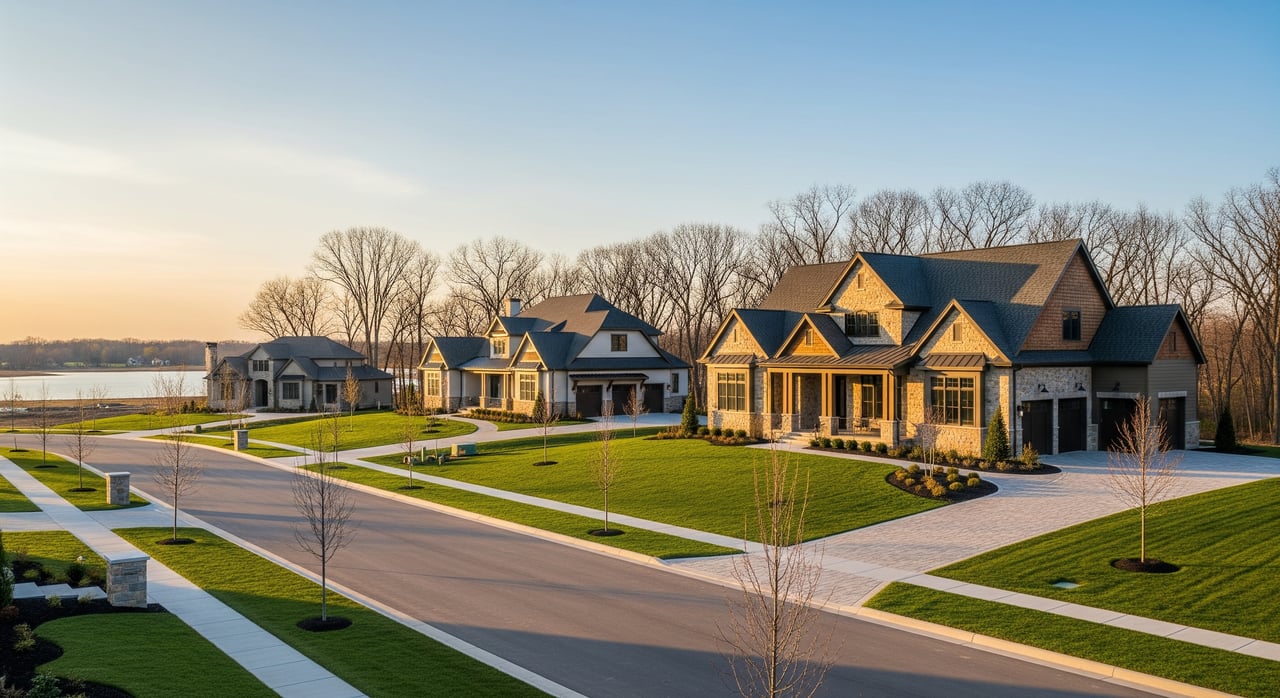
Hartland sits in Livingston County with a suburban and rural mix, within commuting distance to Southeast Michigan job centers. New subdivisions here often attract buyers who want modern layouts, larger lots, and updated systems. Each neighborhood can differ on key items like roads, utilities, and HOA rules. That is why local approvals, tax details, and builder infrastructure plans matter.
You will also see wide variation in pricing and taxes from one subdivision to another. New-build appraisals and comps can be limited until a neighborhood matures, which can affect loan approvals and resale planning. Utility setups may include public water and sewer in some areas or well and septic in others. Always confirm how roads, drainage, and stormwater systems are handled and who maintains them.
Pros for Hartland buyers
- Modern floor plans and systems that reduce near-term maintenance.
- Homes built to current codes, which can support better energy performance.
- Ability to personalize finishes or layouts if you buy early in the process.
- Builder warranties that commonly cover workmanship, systems, and structure.
- New streets, sidewalks, lighting, and stormwater systems built to current standards.
Pros for nearby sellers
- New neighborhoods bring more buyer traffic to the area overall.
- Fresh inventory can raise visibility for surrounding communities.
- If timed well, modern features and turnkey presentation can support strong prices.
Cons for Hartland buyers
- Higher per-square-foot prices than many nearby resale homes.
- Potential construction delays due to weather, supply chains, or approvals.
- Limited mature landscaping and less curb appeal until trees and lawns establish.
- Ongoing construction activity for months or years as the subdivision builds out.
- Appraisal uncertainty until the community has more closed sales.
- Tighter price negotiation on certain spec homes, depending on builder incentives.
- Punch-list and warranty follow-up that requires careful documentation.
- HOA rules and fees that add cost and limit certain exterior changes.
Cons for sellers near new builds
- Competition from brand-new homes with current finishes.
- Appraisal compression when many similar new homes set the price tone.
- Timing challenges if you plan to sell shortly after moving into a new build.
Financial risks to watch in new subdivisions
- Special assessments for roads, sewer, or other infrastructure can add to costs. Confirm if any are planned or active.
- Property taxes may rise after initial assessments are finalized on a new home.
- Utility availability varies. Verify whether you will have municipal water and sewer or well and septic, and note any connection fees.
Cost factors to budget for in Hartland
- Purchase price versus nearby resale homes with similar lots and size.
- HOA fees, bylaws, and any fee escalation language.
- Property taxes based on current market value and local millage rates.
- Potential special assessments for infrastructure.
- Landscaping, fencing, window treatments, appliances, and upgrades not included by the builder.
- Independent inspections during construction and at completion.
Due diligence checklist for buyers
Before you sign
- Confirm lot details: grading, drainage, setbacks, and any floodplain or wetlands.
- Verify utilities: public or private water and sewer, natural gas, broadband options, and connection costs.
- Review HOA documents: CC&Rs, bylaws, fee schedule, reserves, and architectural approvals.
- Check builder reputation: ask for references, completed projects, and warranty claim procedures.
- Get the written warranty and know what is excluded.
- Confirm school boundaries directly with the district if they matter to your plans.
- Ask the township and county treasurer about current or proposed special assessments.
- Understand financing: deposits, construction draws if applicable, and loan requirements.
During construction
- Hire an independent inspector for key stages like pre-drywall and final walkthrough.
- Keep a punch-list with dates and photos, and confirm repair timelines.
- Save contracts, change orders, upgrade receipts, and all warranty documents.
Strategy tips for local sellers
- Price competitively against new inventory and consider light updates to match buyer expectations.
- Highlight unique strengths like mature landscaping, finished basements, or lower HOA fees if applicable.
- Time your listing around the absorption of new homes and focus on standout presentation.
Local checks specific to Hartland and Livingston County
- Township planning and zoning approvals, plus plat maps showing lots, open space, and required improvements.
- County treasurer and equalization offices for millage rates, assessments, and tax procedures for new homes.
- Road ownership and maintenance responsibilities, especially for private roads.
- Stormwater and culvert plans that may influence yard usability.
- Wetlands and regulated areas that affect lot buildability.
- Permitting timelines and inspection records for completed phases of a subdivision.
Is new construction right for you?
Choose new construction if you value modern design, energy-minded systems, and lower maintenance in the first years. Be ready for active construction nearby and a timeline that can shift. If you prefer mature trees, established streets, and more price flexibility, a resale may fit better. Either way, confirm utilities, taxes, HOA terms, and assessments early so your budget is solid.
Your next step
If you want a smooth path to the right fit in Hartland, you deserve a guide who knows the local build process and the trade-offs. The Broadwell Homes Team can help you compare neighborhoods, review HOA and tax details, and negotiate a confident plan whether you are buying new or selling near a new subdivision. Let’s match you with the best move for your goals.
FAQs
Are new construction homes in Hartland more energy efficient?
- Generally yes. New homes must meet current building codes, which typically means better insulation, windows, and mechanical systems compared with many older homes.
How long does a new home build in Hartland usually take?
- Many spec homes finish in about 6 to 12 months, while semi-custom or custom builds can run 9 to 18 months or more depending on weather, permits, and materials.
What builder warranties should I expect with a new Hartland home?
- Many builders offer 1 year for workmanship, 2 years for major systems, and 10 years for structural components. Always confirm the exact written terms.
Will property taxes be higher on a new Hartland home?
- Taxes for new homes are often assessed at current market value, which can be higher than taxes on older homes. Review millage rates and expected assessments with local offices.
Is a new build or a resale better in Hartland, MI?
- It depends on priorities. New builds offer modern features and fewer immediate repairs, while resales may deliver mature landscaping, established streets, and sometimes lower costs per square foot.
Do Hartland builders offer buyer incentives?
- Incentives vary with the market. You might see closing cost help, rate buy-downs, or upgrade credits. Review terms closely before you sign.