Thinking about putting down roots in Clarkston but not sure whether renting or buying makes more sense right now? You’re not alone. With a charming historic village, lakes and parks nearby, and access to larger job centers, Clarkston offers a lot to love at many price points. In this simple guide, you’ll learn how to compare monthly costs, what Michigan taxes mean for you, and the local checks to run before you decide. Let’s dive in.
Clarkston at a glance
Clarkston is a small, walkable village in northern Oakland County with a historic downtown, restaurants and shops, and easy access to parks and lakes. The area commonly called “Clarkston” also includes nearby neighborhoods in the surrounding township. Many households consider district boundaries for Clarkston Community Schools when choosing a location.
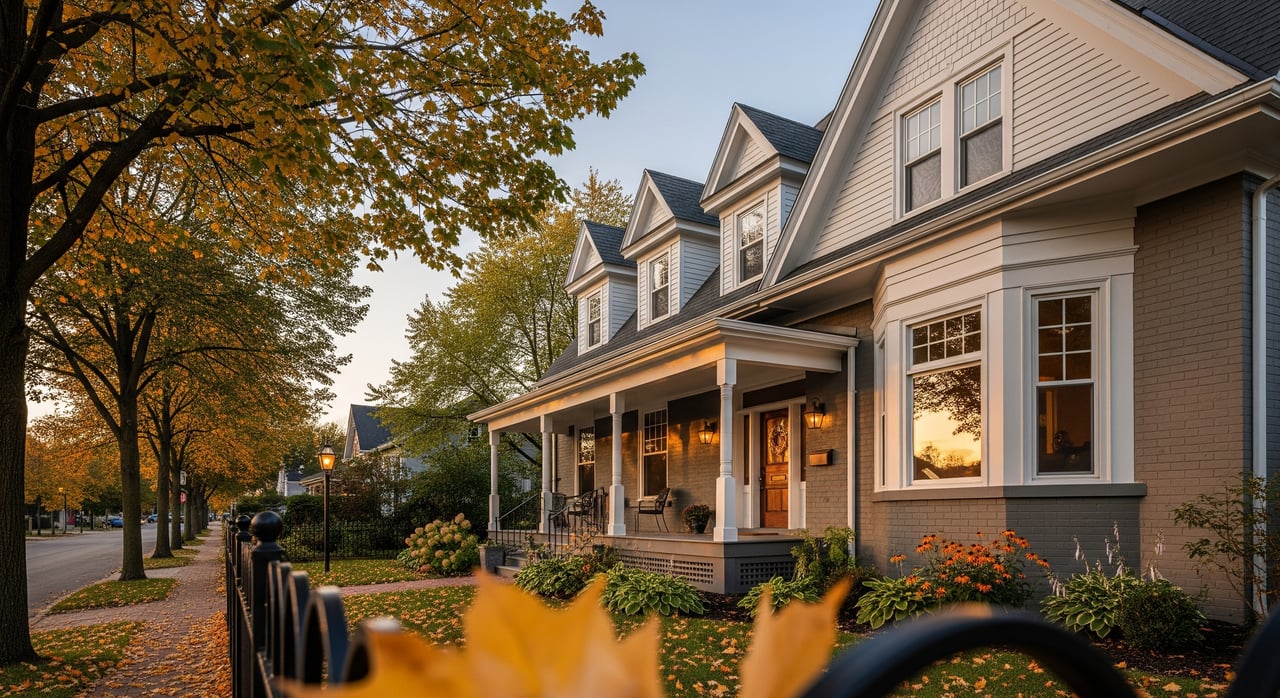
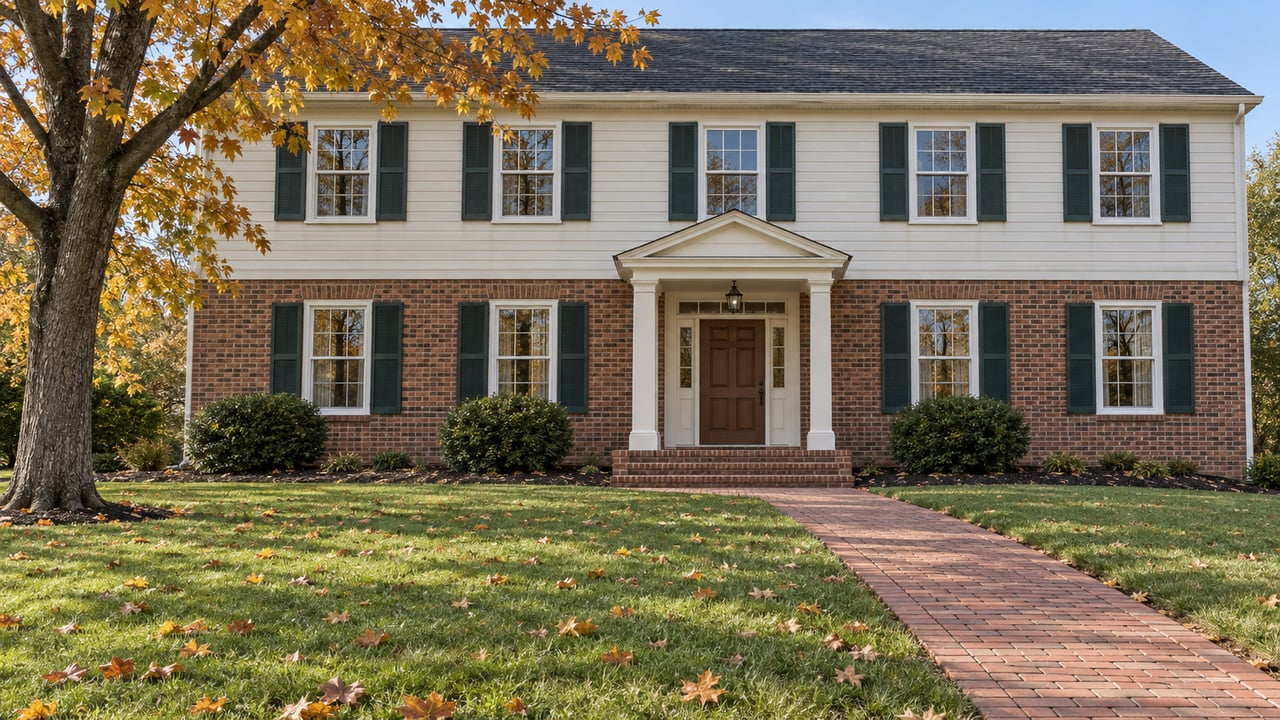
You’ll find a mix of older village homes, mid-century properties, newer subdivisions, and some condos or townhomes. That variety impacts maintenance, insurance, and monthly utilities. Commuting is workable to many Oakland County and Metro Detroit job centers, though actual drive times vary by exact address and time of day.
How to compare monthly costs
When you compare rent vs. buy, line up every cost that hits your budget each month. Use a notes app or spreadsheet so you can adjust inputs easily.
If you rent
- Base rent
- Renter’s insurance
- Utilities you pay directly: electricity, gas, water, sewer, trash, internet
- Parking or storage, if applicable
- Minor maintenance you may be responsible for under your lease
If you buy
- Mortgage principal and interest
- Property taxes
- Homeowners insurance
- Private mortgage insurance if your down payment is under 20 percent
- HOA/condo fees, if applicable
- Routine maintenance and lawn/snow care
- Utilities, often higher for larger spaces
- Monthly allowance for major repairs like roof, HVAC, or appliances
One-time and periodic costs to plan for
- Down payment and closing costs when you buy
- Inspection, appraisal, title and recording fees
- Prepaid items like taxes and insurance escrows
- Potential selling costs later, including commissions and moving expenses
How much to set aside for maintenance
A common rule of thumb is 0.5 to 1.5 percent of the home’s value per year for maintenance. Use the higher end for older homes and the lower end for newer construction or condos where exterior items are covered by the association. For many detached homes, that can translate to roughly 1,000 to 3,000 dollars per year, adjusted for age and condition.
Michigan property taxes and what they mean
Property taxes are a major part of your monthly housing cost. Rates vary by municipality based on millages. To get an accurate estimate for a specific Clarkston-area property, review the most recent tax bill or contact the local assessor and county offices. Start with the Oakland County website to locate property tax and assessment information and the correct city or township assessor.
- For state-level guidance, see the Michigan Department of Treasury’s pages on property tax and exemptions. One key program is the Principal Residence Exemption, which can reduce some local school operating millages for your primary home. Learn more on the Michigan Department of Treasury site.
If you plan to purchase, build the exact annual tax into your monthly budget by dividing it by 12. If you are estimating for a property you have not selected yet, use recent tax bills for similar homes on the same street to avoid underestimating.
Mortgage choices, PMI, and rates
Your interest rate, loan type, and down payment have a big effect on your monthly payment.
- Common options: conventional 30-year fixed, FHA loans with lower down payments, VA loans for eligible veterans, and USDA loans for certain rural areas outside the village.
- Private mortgage insurance applies when your down payment is under 20 percent. It adds a monthly cost until you reach an equity threshold or refinance.
- Compare quotes from multiple local lenders and credit unions to find competitive rates and fees.
To understand your breakeven timeline, use an interactive rent vs. buy calculator and update it with local taxes, insurance, HOA dues, and your expected maintenance. Try the rent vs. buy tools from Bankrate or NerdWallet.
- Use the Bankrate Rent vs. Buy Calculator to evaluate monthly and long-term costs.
- Try NerdWallet’s Rent vs. Buy Calculator to model your breakeven horizon with different down payments.
Local inspections, insurance, and risks
Older village homes can be full of character, and they may also bring unique maintenance needs. Protect yourself by planning thorough due diligence.
- Inspections: In older homes, ask your inspector to pay special attention to wiring, plumbing, insulation, windows, the foundation, and potential lead-based paint. Add specialist inspections for sewer scopes or septic systems if applicable.
- Flood risk: For homes near creeks or lakes, check flood maps. You can search addresses on the FEMA Flood Map Service Center to see if flood insurance may be required.
- Insurance: Homeowners insurance varies based on age, construction, proximity to water or large trees, and claims history. Request local quotes early in your search.
- Zoning and rentals: If you plan to rent the home later or explore short-term rental use, review current village or township rules before you buy.
A simple side-by-side worksheet
Use this fill-in worksheet to compare your top rental option with a home you are considering. Adjust the figures as you gather exact quotes from your lender, county, and insurance agent.
| Monthly Cost Item |
Rent Option |
Buy Option |
| Base housing payment |
Enter rent |
Principal + interest |
| Property taxes |
Included or N/A |
Annual tax divided by 12 |
| Insurance |
Renter’s policy |
Homeowners + PMI if applicable |
| HOA/condo fees |
If any |
If any |
| Utilities you pay |
Electric, gas, etc. |
Electric, gas, water/sewer, trash |
| Maintenance |
Usually minimal |
Routine + reserve for big items |
| Parking/storage |
If any |
If any |
| Total monthly |
Sum |
Sum |
Tip: After you total the monthly buy number, add a monthly “sinking fund” for future big-ticket repairs. That can be a simple transfer to savings.
How long you plan to stay
Transaction costs and market timing matter. As a simple rule of thumb:
- Short term, under 2 to 3 years: Renting often wins because buying and selling costs are significant.
- Medium term, 3 to 7 years: It depends. With a solid down payment and stable prices, buying can be competitive.
- Long term, 7 years or more: Ownership is more likely to come out ahead due to equity paydown and potential appreciation.
Your exact breakeven depends on mortgage rate, taxes, HOA dues, closing costs, and local price trends. Run the calculators with your numbers.
Where to verify local details
Use these trusted sources to pull the most current information before you decide.
- Property taxes and assessments: Start with the Oakland County site for links to the Treasurer, Equalization, and local assessor pages.
- State property tax rules and the Principal Residence Exemption: Visit the Michigan Department of Treasury overview.
- Down payment assistance and state programs: Check the Michigan State Housing Development Authority for current offerings.
- Housing counseling: Find HUD-approved housing counseling agencies for unbiased guidance.
- Flood zones: Look up addresses in the FEMA Flood Map Service Center.
Action checklists
If you are renting and considering buying
- Get prequalified with a local lender to see your budget and rate options.
- Build your monthly ownership estimate using your real tax, insurance, and maintenance numbers.
- Run a rent vs. buy calculator with your data to see the breakeven horizon.
- Walk through homes in your price range to gauge size, condition, and likely upkeep.
- Plan for an inspection and any specialist checks common to older homes in the village.
- Review zoning and HOA rules if you want flexibility to rent the property in the future.
If you are thinking of renting instead of buying
- Compare your total monthly rent to the full cost of owning, including taxes, insurance, maintenance, and HOA fees.
- Decide where your down payment would sit if you keep renting, and how that fits your financial goals.
- Consider how long you expect to stay in Clarkston and the flexibility you want for job or lifestyle changes.
- Track local market trends over several months so you are ready to act if conditions shift.
Putting it all together
Clarkston gives you options, whether you love the feel of a historic street near downtown or a newer subdivision with a larger yard. The best choice comes down to your timeline, budget, appetite for maintenance, and how you value flexibility versus long-term stability. If you take the time to price out taxes, insurance, utilities, and repairs on specific homes, the right path usually becomes clear.
If you want a local sounding board and a step-by-step plan, reach out. We help renters explore buying, buyers price in real costs, and homeowners time a sale and purchase with confidence. Let’s find what fits you best.
Ready to compare your options with a local pro? Contact Unknown Company to Find Your Home Match.
FAQs
How do I find the property tax for a specific Clarkston home?
- Check recent tax bills through county and local assessor resources. Start at the Oakland County website, then navigate to the appropriate city or township assessor for the parcel.
How long should I plan to stay for buying to make sense?
- Many buyers use 5 to 7 years as a breakeven rule of thumb, but your timeline depends on down payment, rate, closing costs, property taxes, HOA dues, and local price trends. Run a calculator with your numbers on Bankrate or NerdWallet.
Are there down payment assistance programs in Michigan?
- Sometimes. Programs change, so check the Michigan State Housing Development Authority for current offerings and review HUD-approved counseling to discuss eligibility.
Do I really need a home inspection in the Village of Clarkston?
- Yes. Older homes may have wiring, plumbing, insulation, lead paint, foundation, or sewer considerations. Add specialist inspections if the home has a septic system or is near water.
What about HOA rules for condos or townhomes nearby?
- Review the HOA’s budget, reserves, fees, and covenants. Include monthly dues and any rental or alteration restrictions in your decision and cost comparison.
How do I check flood risk before I buy?
- Search the address on the FEMA Flood Map Service Center. If a property is in or near a flood zone, your lender may require flood insurance, which affects monthly costs.