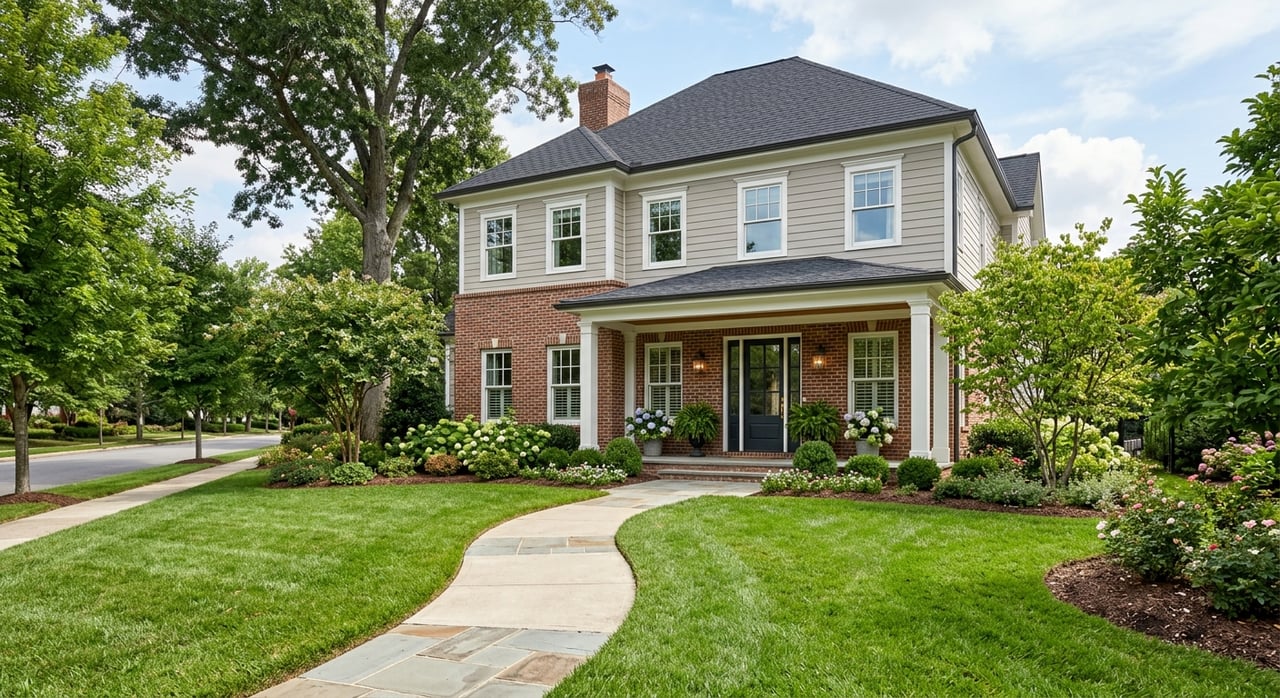
Walkable Living Near Downtown Clarkston, MI
July 2, 2026
Are you hoping to find a home where dinner, coffee, community events, and a park are all within easy reach? If Downtown Clarkston has caught your eye, you are probably looking for that rare mix of charm, convenience, and a neighborhood feel that still works for everyday life. The good news is that Clarkston offers a very specific kind of walkable living, and understanding what that really means can help you make a smarter move. Let’s dive in.
Walkable living near Downtown Clarkston is best described as small-town walkability, not big-city, car-free living. In the village core, you can reach restaurants, shops, local businesses, events, and Depot Park on foot. At the same time, short drives, parking, and traffic are still part of daily life.
That distinction matters when you start your home search. If you picture a dense urban district with blocks of condos and nonstop foot traffic, Clarkston will feel different. If you want a historic, compact downtown where you can enjoy a meal, attend an event, and stroll through a preserved village center, it may feel like a great fit.
One reason Clarkston stands out is its size. The city is about one-half square mile, and the city master plan describes the historic village center as the heart of Clarkston with pedestrian proximity to the entire city. In simple terms, the downtown core is compact enough that being near it can make daily outings feel easy and natural.
Downtown itself is also small in a way many buyers find appealing. A 2026 city legislative request describes the Main Street downtown portion as about 2.5 blocks long, with five popular restaurants plus retail and other businesses. That creates a close-knit, easy-to-navigate setting instead of a long commercial corridor.
The village character adds to the experience. Clarkston is an older, established community first settled in the 1830s, and local planning documents emphasize preserving its small-town residential and historic identity. That preserved scale is a big part of why walking here feels enjoyable rather than purely functional.
If you live in or very near the city center, you may be able to walk to several everyday lifestyle destinations.
County tourism sources describe downtown as lined with unique shops, eateries, and businesses. For many buyers, that is the main draw. You are not just walking for exercise. You are walking to dinner, coffee, errands, and casual meetups.
Depot Park is one of the biggest local anchors for downtown life. The local chamber calendar lists a free four-week Concerts in the Park series there, and Clarkston also hosts events like parades, festivals, an art fair, and the Taste of Clarkston on Main Street.
That event calendar can shape how the area feels throughout the year. Instead of a downtown that only looks good in listing photos, you get a place with recurring activity and shared gathering spots.
The city master plan says sidewalks are generally in good repair and widely used. That supports the practical side of walkability. Still, the same plan notes there are gaps in sidewalk continuity, so the experience may vary depending on exactly where a home sits.
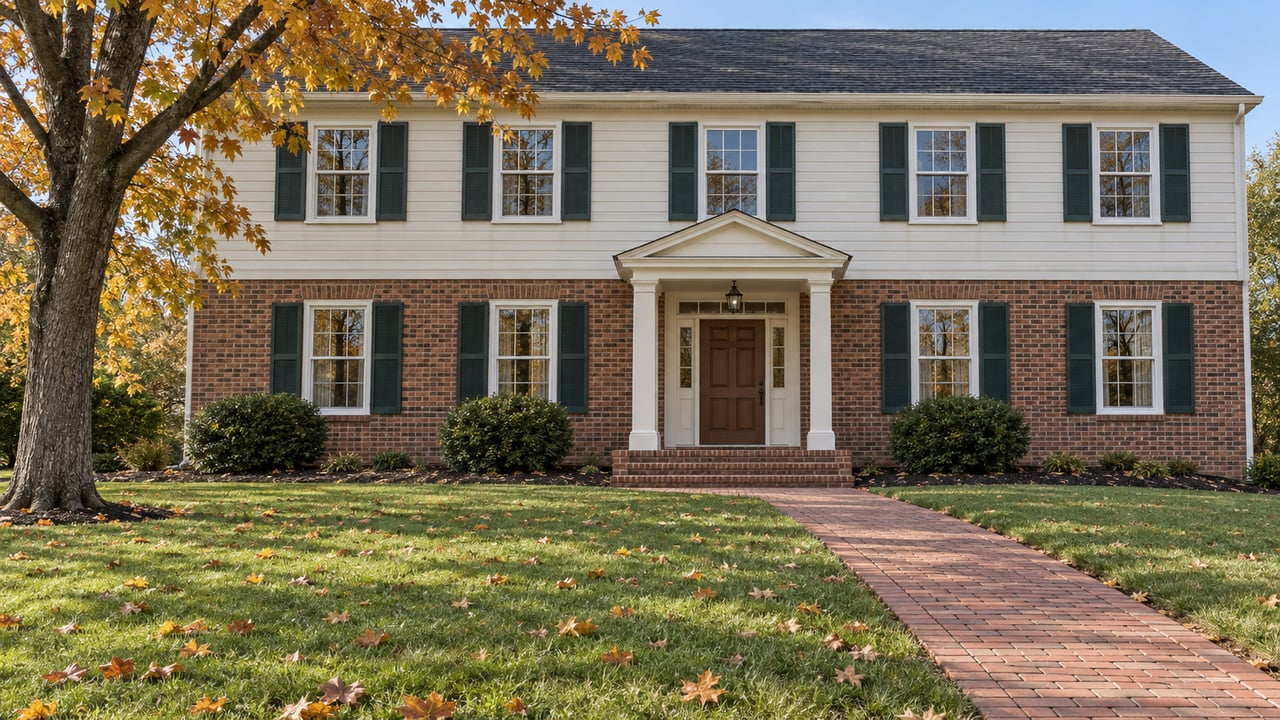
If you love older homes with architectural detail, this is one of Clarkston’s biggest strengths. The Clarkston Village Historic District is listed on the National Register of Historic Places, with recognized styles that include Greek Revival, Italianate, and Queen Anne.
Local property documentation shows how varied that can look in real life. In and around the district, you can find examples such as Gothic Revival, Craftsman or Bungalow, Colonial Revival, and Queen Anne homes, along with older Greek Revival properties dating back to the 1820 to 1860 period.
This is not an area defined by waves of recent construction. The city master plan says Clarkston has seen virtually no new construction within city limits in recent decades, with only three housing structures built since 2000. It also states that nearly 70% of homes were built before 1950, with roughly half built before 1939.
For buyers, that often means more architectural personality and a more established streetscape. It can also mean you should look closely at each home's condition, updates, layout, and maintenance history, because older housing stock can vary a lot from one property to the next.
Clarkston remains a small housing market. Current ACS-based data show about 874 residents and 447 housing units, with about 60% owner occupancy and 64% single-unit structures.
That data helps paint a picture of the area. You are looking at a compact, owner-leaning market with a lot of detached homes rather than a large supply of new attached housing. The same source reports a median owner-occupied home value of $457,800, which gives buyers a useful benchmark as they compare options in and around the village.
Because inventory is limited in a small historic city, homes near downtown may attract attention for reasons beyond square footage alone. Buyers are often drawn to location, lot setting, architecture, and the ability to enjoy the village on foot.
Clarkston’s downtown charm comes with one important nuance. Main Street is also M-15, a state trunkline that carries thousands of vehicles. So while the area is walkable and active, it is not traffic-free.
That means your experience can vary depending on where a home is located relative to Main Street and the village core. Some buyers love being close to the energy of downtown restaurants and events. Others prefer a little more separation while still staying nearby.
The city master plan reflects this balance too. It specifically discusses the need to manage downtown traffic in a way that supports business while reducing the ways traffic can detract from pedestrian movement and nearby residential areas.
A common mistake is assuming every home with a Clarkston address offers the same walkable experience. The city of Clarkston is very small, and Independence Township surrounds it.
That matters because many homes outside the city are better described as close to downtown by short drive rather than truly walk-to-everything. If walkability is high on your list, your search should focus less on the mailing address and more on the home's exact location relative to the village core.
This is where local guidance can make a real difference. A home that seems "near downtown" online may feel very different once you look at the route, sidewalk access, and daily convenience in person.
Walkable living near Downtown Clarkston often appeals to buyers who value character and convenience over pure scale. You may be a fit if you want:
It can be especially attractive if you want your weekends to feel easy. Being able to step out for a concert in the park, a community event, or dinner downtown can add a lot to daily life without requiring urban-density living.
If you are serious about finding a walkable home here, it helps to stay focused on a few practical details.
Start by deciding what you want to reach on foot most often. For some buyers, that means restaurants and coffee. For others, it means Depot Park, events, or simply being able to enjoy a sidewalk stroll through the village.
"Near downtown" can mean different things. A home inside the city limits may offer a very different day-to-day experience than one just outside the core in surrounding areas.
Because Main Street is an active trunkline, block-by-block feel matters. Some locations offer easier pedestrian access with a little less direct exposure to traffic, while others place you right in the middle of the downtown activity.
Older homes can be full of charm, but no two are exactly alike. Layout, updates, lot size, and maintenance can vary widely, so it is worth comparing homes carefully instead of assuming similar age means similar condition.
In a place like Clarkston, the map does not tell the whole story. The difference between a home that feels truly walkable and one that is simply nearby can come down to a few blocks, a sidewalk gap, or how often you plan to use downtown.
That is why a relationship-first approach is so valuable. When you work with someone who knows the local rhythm of the village, you can narrow in on homes that match not just your budget, but the way you want to live.
If walkable living near Downtown Clarkston is on your wish list, the right guidance can help you separate the homes that only look close on paper from the ones that genuinely fit your lifestyle. When you are ready to explore your options, connect with the Broadwell Homes Team for personalized guidance rooted in local market knowledge.
Stay up to date on the latest real estate trends.
Contact Lindsey Broadwell today to learn more about her unique approach to real estate, and how she can help you get the results you deserve.