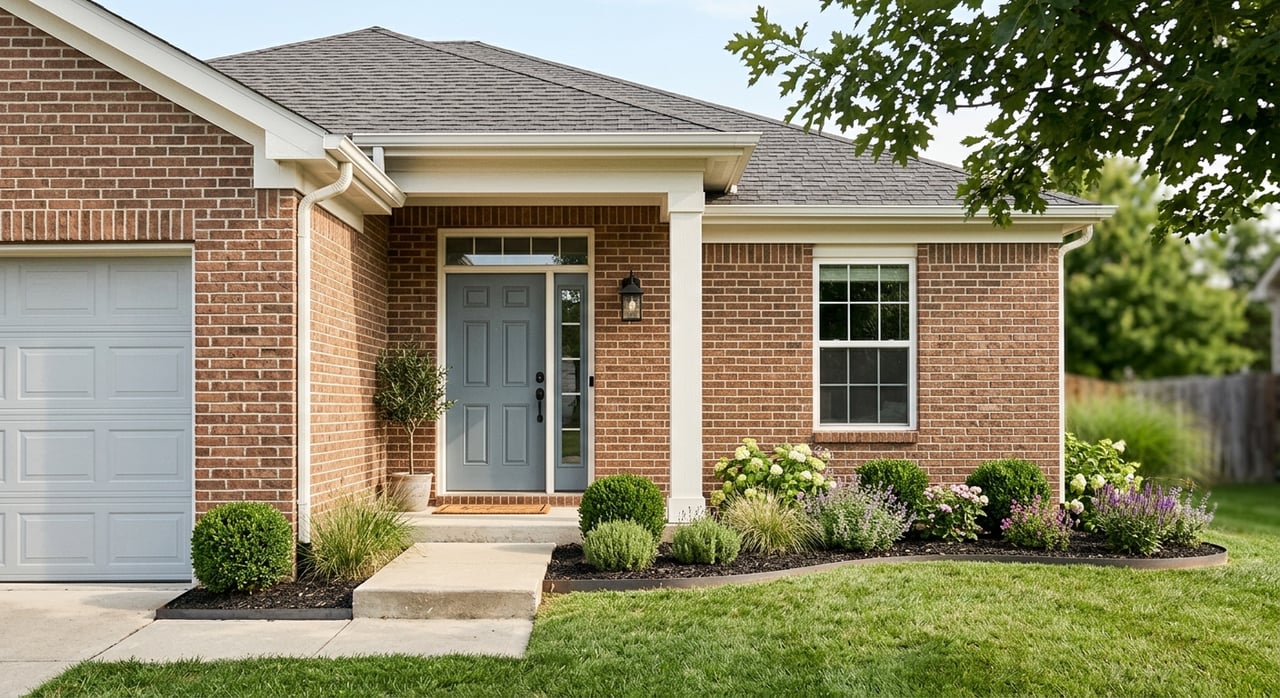
Downsizing In Waterford, MI: From Lake House To Low-Maintenance
April 2, 2026
April 2, 2026
If your Waterford lake house has started to feel like more work than reward, you are not alone. Many longtime homeowners reach a point where yard work, stairs, upkeep, and seasonal maintenance no longer fit the lifestyle they want. The good news is that downsizing does not have to mean giving up the parts of Waterford you love. With the right plan, you can simplify your home and keep the lake-oriented lifestyle, local recreation, and community connections that matter most. Let’s dive in.
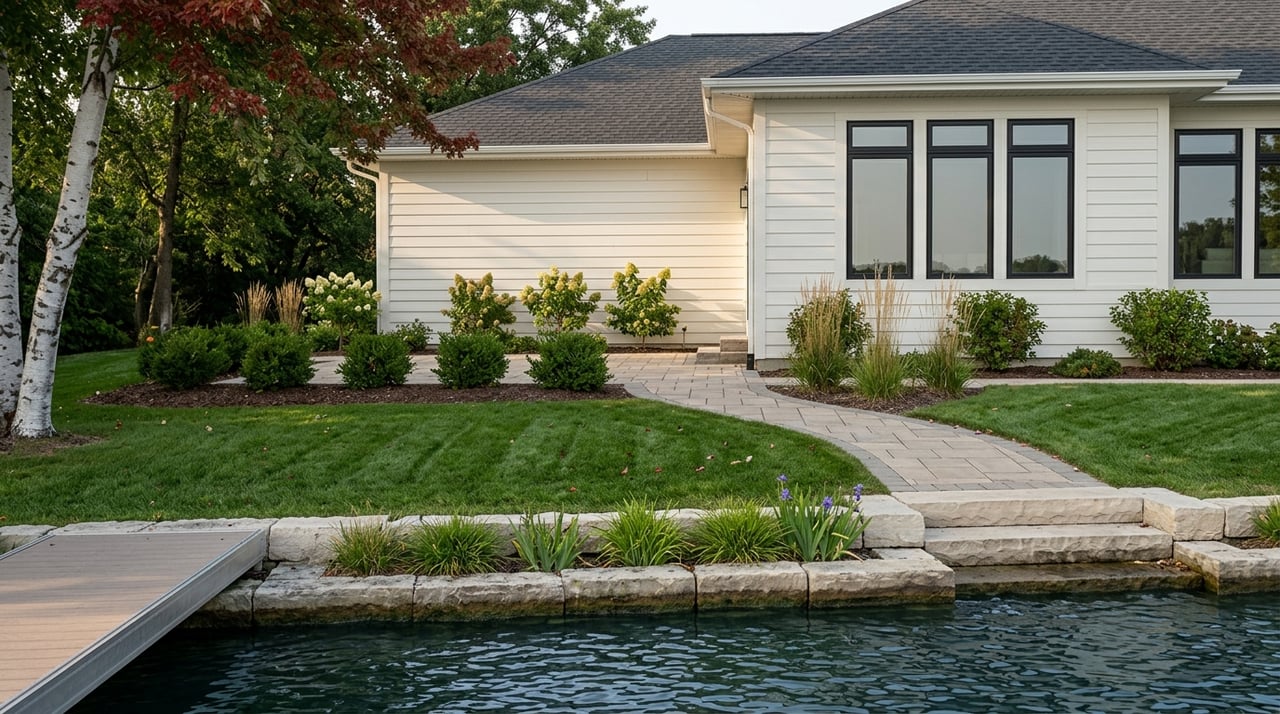
Waterford is a natural place to have this conversation because the housing stock and lifestyle often go hand in hand. According to the township’s Master Plan, Waterford has frontage on 34 inland lakes, and many lakefront residential areas are fully built out with narrower lots and homes that often date to the mid-20th century. That can create charm and access to the water, but it can also mean more ongoing maintenance, tighter layouts, and updates that become harder to manage over time.
There is also a strong local base of longtime homeowners. U.S. Census QuickFacts shows Waterford has a 75.8% owner-occupied housing rate, with 18.5% of residents age 65 or older. In plain terms, that suggests many homeowners are in a season of life where reducing upkeep and simplifying monthly responsibilities starts to sound appealing.
Today’s pricing also gives helpful context. Zillow’s late February 2026 snapshot estimated Waterford’s average home value at $263,243, with a median sale price of $255,833, around 29 days pending, and 173 homes for sale. While every source uses its own method, these numbers help show that Waterford remains an active market for owners thinking about making a move.
Low-maintenance living looks different for every homeowner. For you, it might mean fewer stairs, less exterior upkeep, a smaller footprint, or monthly costs that are easier to predict. It may also mean staying close to the lakes, trails, and routines you already enjoy.
In Waterford and nearby areas, downsizers often compare a few common paths:
The goal is not just to buy less house. It is to choose a home that better fits the way you want to live now.
Before you look at your next place, take a clear look at the one you already own. A lake house or larger longtime residence often carries hidden to-do lists that affect timing, price, and buyer appeal. Starting early gives you more control.
A simple first question can help: What do you use every week, and what are you maintaining just because it is there? That mindset can make the downsizing process feel less emotional and more practical.
Decluttering is one of the most useful early steps because it helps you twice. First, it makes your current home look cleaner, larger, and easier for buyers to understand. Second, it reduces what you have to move.
That matters in the real world. In the 2025 Profile of Home Staging from the National Association of Realtors, 83% of buyers’ agents said staging made it easier for buyers to visualize a home as a future residence. The same report found 49% of sellers’ agents said staging reduced time on market.
If full staging is not part of your plan, the same research still points to a practical truth: many agents recommend decluttering and fixing obvious property issues first. That is often the smartest move for a Waterford home with years of accumulated belongings or deferred cosmetic updates.
You usually do not need a full remodel before listing. Buyers tend to respond well when a home feels clean, cared for, and move-in ready in the areas they notice first.
NAR highlights common prep tasks such as:
For a Waterford lake property or larger older home, this often means addressing the basics that signal consistent care. If a handrail is loose, grout is stained, trim is chipped, or the landscaping looks overgrown, those details can shape a buyer’s first impression more than you might expect.
Routine upkeep also matters because small issues can become larger and more expensive if left alone. Fannie Mae’s home maintenance guidance notes that regular maintenance can help prevent or delay bigger problems. If you are thinking about selling in the next few months, this is a good reminder to take care of seasonal items and smaller repairs sooner rather than later.
Once your current home is on the right track, the next step is comparing replacement options based on how you actually want to live. This is where many downsizers benefit from looking beyond square footage alone.
A smaller home can still come with outdoor work, snow removal, and repair costs. A condo can reduce those responsibilities, but it may add association dues and shared rules. The best fit is the one that balances convenience, cost, and comfort.
For many downsizers, condos and townhomes offer the most obvious shift toward lower maintenance. Fannie Mae explains that HOAs or condo associations generally maintain common areas and exterior elements, while you remain responsible for the interior of your unit.
That can be attractive if you are ready to spend less time on mowing, exterior repairs, or snow removal. It can also help if you want a more predictable routine and fewer house-related tasks on your calendar.
Still, there are tradeoffs. HOA or condo dues are typically separate from your mortgage payment, and buyers should review the association’s budget, rules, and any possible assessments before moving forward. Fannie Mae also notes that deferred maintenance or unresolved critical repairs in a condo project can create safety and financing issues, so due diligence matters.
If you are not ready for shared walls or association rules, a smaller detached home may feel like the right middle ground. You keep more control and privacy, but ideally with less space to maintain.
This option can work well if you still want a yard, room for guests, or storage for hobbies, but do not need the size or workload of your current lake house. The key is to be honest about whether the new home truly reduces your maintenance burden.
Some homeowners begin in Waterford and then decide to widen the search to nearby areas. Census and market snapshots suggest each market offers a different balance of price, housing style, and ownership patterns.
For example, Troy has a higher median owner-occupied home value at $420,300, while Farmington Hills is at $354,500, and Warren is at $193,400, according to U.S. Census QuickFacts. Research also notes nearby condo and single-family pricing differences that can make surrounding markets worth exploring if your main goal is lower maintenance, lower price, or a different housing mix.
One of the biggest downsizing mistakes is comparing homes based only on sale price. A lower-priced property is not automatically less expensive to live in each month.
Your real monthly picture should include:
The Consumer Financial Protection Bureau reminds buyers that condo or HOA fees are usually paid directly to the association, not bundled into the mortgage payment. CFPB also advises buyers to account for those fees along with maintenance and repairs when planning a budget.
That side-by-side comparison can be eye-opening. A condo may reduce surprise repair costs and exterior chores, while a smaller house may offer more flexibility but still leave you responsible for the roof, driveway, landscaping, and snow removal.
If you are selling one primary residence and buying another, Michigan’s Principal Residence Exemption can be an important part of your planning. The Michigan Department of Treasury says the PRE applies to property owned and occupied as your principal residence.
The same state guidance also explains that a conditional rescission may allow you to keep the PRE on your former home for up to three years after establishing a new principal residence, if the former home is vacant, for sale, not leased, and not used for business or commercial purposes. Annual verification with the assessor is required, and the state notes that property tax questions are often best directed to the local assessor.
If you are timing a sale and purchase close together, this is one of those details worth addressing early rather than after you move.
Downsizing does not have to mean disconnecting from the lifestyle that made Waterford home in the first place. In many cases, the real goal is to keep the best parts while letting go of the maintenance load.
Waterford continues to invest in community recreation and access. The township’s planning documents highlight trail connections, lakefront access, and the Drayton Plains Nature Center, which offers about 4 miles of trails across 138 acres. The planned community center also includes senior-oriented amenities such as indoor pickleball, fitness and enrichment classes, and Meals on Wheels.
That means you may be able to trade square footage for convenience without giving up the routines, scenery, and activities that anchor your day-to-day life.
If you want the move to feel manageable, it helps to break it into stages instead of trying to solve everything at once.
Here is a simple roadmap:
A strong plan can reduce stress and help you avoid replacing one hard-to-maintain home with another.
If you are thinking about downsizing in Waterford or nearby communities, the right guidance can make the process feel far less overwhelming. The Broadwell Homes Team takes a hands-on, people-first approach to help you understand your options, prepare your home thoughtfully, and find a next step that truly fits your lifestyle.
Stay up to date on the latest real estate trends.

Contact Lindsey Broadwell today to learn more about her unique approach to real estate, and how she can help you get the results you deserve.