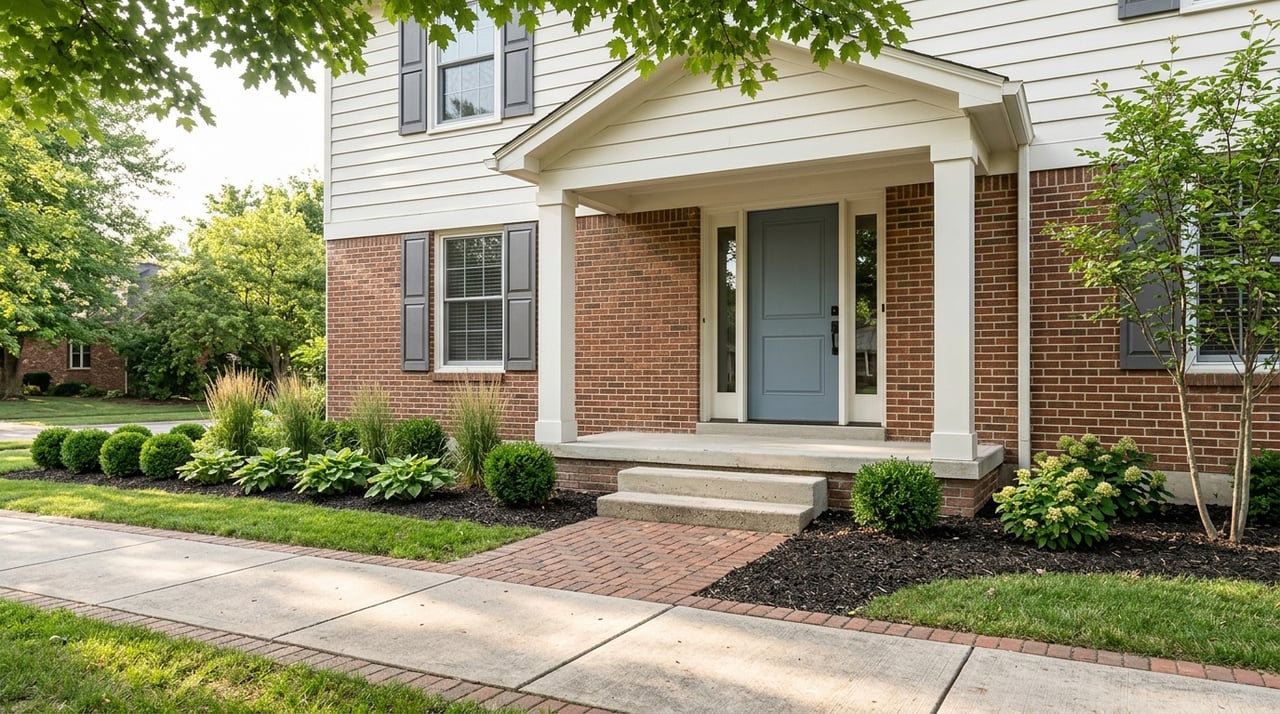
Downtown Northville Vs Nearby Subdivisions: Which Fits You?
April 23, 2026
April 23, 2026
If you love Northville, the hard part usually is not whether to live here. It is deciding how you want to live here. Some buyers picture coffee, dinner, and community events a short walk from home, while others want more yard space, privacy, and a quieter residential setting. This guide will help you compare downtown Northville with nearby subdivisions so you can focus your search on the lifestyle that fits you best. Let’s dive in.
Northville has one shared identity, but it offers two very different day-to-day experiences. The City of Northville is more compact, with a 2024 population estimate of 6,047 across 2.04 square miles, while Northville Township has a 2024 population estimate of 31,542 across 16.19 square miles, according to Census QuickFacts.
That difference shows up in how each area feels when you drive or walk through it. The city feels denser and more connected to a central downtown core, while the township and surrounding neighborhoods tend to feel more spread out. If you are choosing between downtown and a nearby subdivision, you are often choosing between proximity and space.
Downtown Northville centers on a historic, walkable district with a strong mix of shops, restaurants, and community spaces. The Downtown Development Authority describes a Social District along Main and Center streets and notes that downtown includes more than 150 businesses, plus shopping, dining, and year-round entertainment.
The city also points to Town Square as a year-round gathering place with Wi-Fi, seating, games, and a stage. Its master plan describes the downtown core as about 11 blocks of commercial and mixed-use development, which helps explain why the area feels active and easy to navigate on foot.
If you want to step outside and feel connected to activity, downtown has a clear advantage. You are closer to restaurants, local businesses, events, and public gathering spaces, which can make your routine feel more spontaneous and less car-dependent.
The city also highlights bike lanes and a marked path to Maybury State Park and Hines Park in its master plan. For buyers who enjoy being out and about, that extra connectivity can matter just as much as the home itself.
Downtown Northville is also tied closely to the city's historic identity. The city's historic-district materials describe nearby neighborhoods as an extension of the downtown experience, with tree-lined streets, unique homes, and strong neighborhood interaction, as noted on the city's historic district page.
Another part of that historic setting is Mill Race Village, which the Northville Historical Society describes as a focal point of the community. If you are drawn to places with a sense of story and an established streetscape, downtown often stands out right away.
Some buyers assume downtown Northville only offers older single-family homes. In reality, the housing mix is broader than that.
The city says the Historic District is within walking distance of downtown, and its planning documents support upper-level residential units in mixed-use settings. The city's neighborhoods page shows that downtown living can include a mix of home styles, not just one type of property.
A good example is The Delano at 106 East Cady, a condo project with six residences ranging from 3,384 to 3,642 square feet, along with private balconies and a heated parking garage. That tells you something important: downtown can work for buyers who want lower-maintenance living without giving up size or location.
Every lifestyle has trade-offs, and downtown is no different. A more walkable, pedestrian-focused environment usually means a more managed parking setup and a busier public realm.
The city's master plan references a Downtown Parking Management Plan and emphasizes pedestrian scale, historic charm, and mixed-use development. If you love being near activity, that may feel like a benefit. If you prefer more separation from foot traffic and commercial areas, it may feel less ideal.
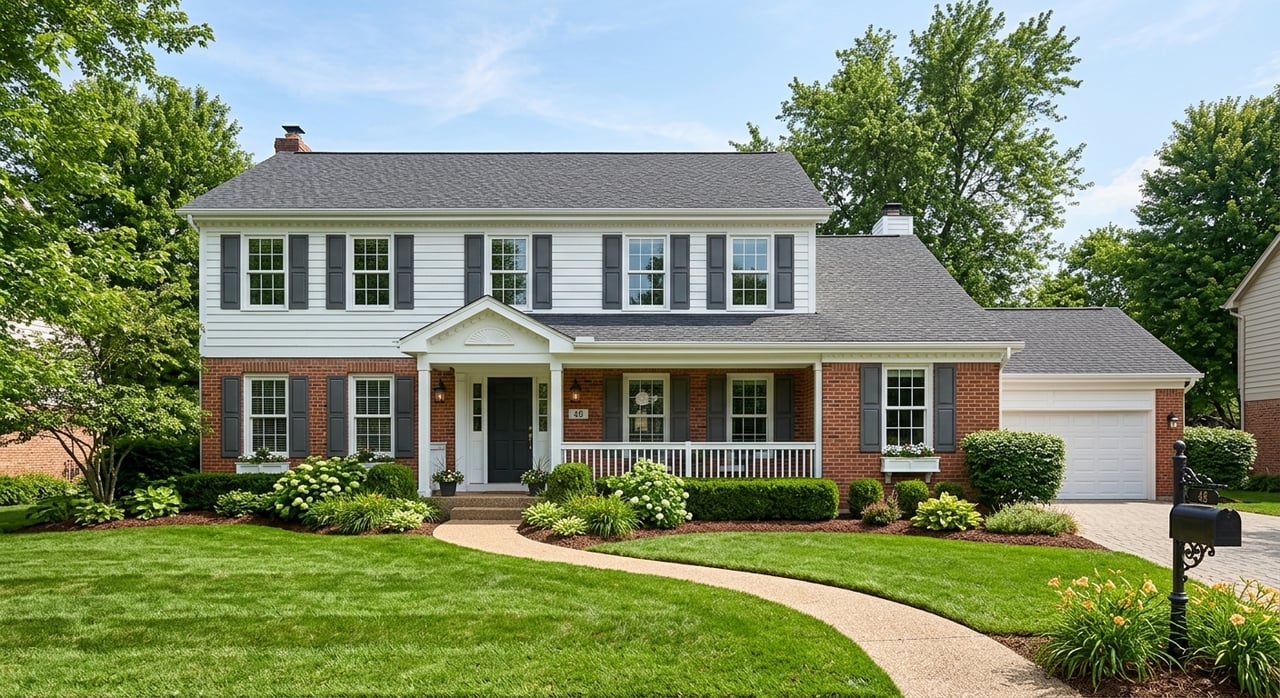
If downtown is the center of activity, nearby subdivisions offer a different kind of comfort. The city's neighborhoods page describes a mix of subdivisions, condominiums, apartments, and more spacious country-style settings with distinctive architecture.
The city also notes that many neighborhoods have HOAs that maintain standards and host social events. One example is Northville Estates, which the neighborhood association says includes 155 single-family homes in the northwest corner of the city.
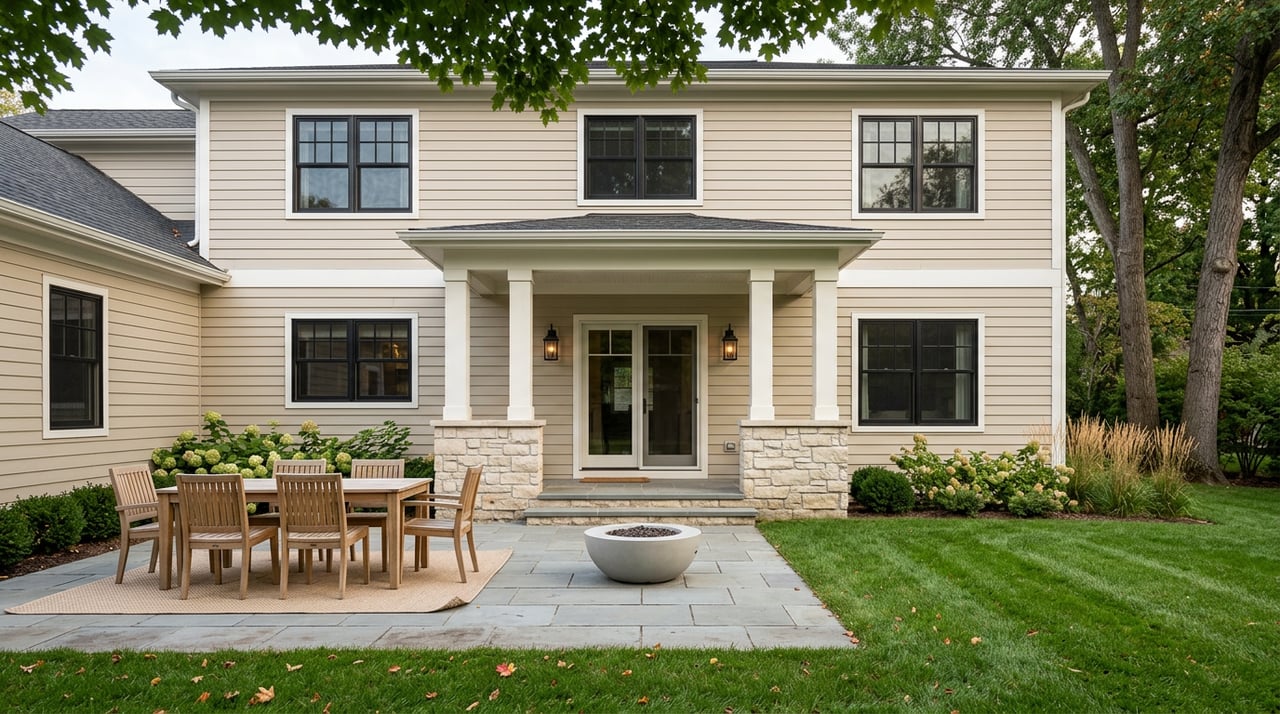
The most noticeable change when you move beyond downtown is space. In nearby subdivisions and estate-style areas, you are more likely to see larger yards, more distance between homes, attached garages, and more privacy.
Northville Township describes itself as a suburban oasis with homes, subdivisions, parks, trails, Maybury State Park, Maybury Farm, Hines Park, and golf clubs, according to its community overview. That larger-scale layout tends to support a quieter, more residential feel.
For some buyers, a standard subdivision is not quite enough space. Northville Township's planning framework defines Estate Residential areas as places with minimum one-acre lots, and notes that three- to five-acre lots may be needed to create true estate character in open areas, as outlined in the township's master plan resources.
That is a very different experience from downtown living. If your ideal home includes more land, more outdoor flexibility, and a sense of retreat, these nearby areas may be a stronger match.
A simple way to decide is to think about your normal week, not just your wish list. The right fit often becomes obvious when you picture your routine from Monday through Sunday.
If you want to walk to dinner, events, and downtown spaces, the historic core will likely feel more natural. If you want a larger yard, more privacy, garage space, and room for hobbies or outdoor use, nearby subdivisions and estate communities usually make more sense.
Before you start seeing homes, it helps to narrow your priorities. A few clear questions can save you time and help you compare neighborhoods more confidently.
Ask yourself:
Lifestyle usually leads the decision, but price context still matters. According to Census QuickFacts, median owner-occupied housing values are $465,400 in the City of Northville and $551,800 in Northville Township.
That does not tell you what any specific home will cost, but it does show that the choice is not as simple as saying downtown is always more expensive. In Northville, the lifestyle you want and the type of home you need can shape your budget just as much as the location itself.
If you are happiest in a walkable setting with dining, events, local businesses, and historic character close by, downtown Northville may be the better match. If you want more room to spread out, more privacy, and a home that feels tucked away from the center of activity, a nearby subdivision or estate-style area may fit better.
The goal is not to find the "best" area in general. It is to find the one that supports your version of daily life. If you want help comparing homes, neighborhoods, and lifestyle trade-offs in Northville, the Broadwell Homes Team is here to help you find your home match.
Stay up to date on the latest real estate trends.
Contact Lindsey Broadwell today to learn more about her unique approach to real estate, and how she can help you get the results you deserve.