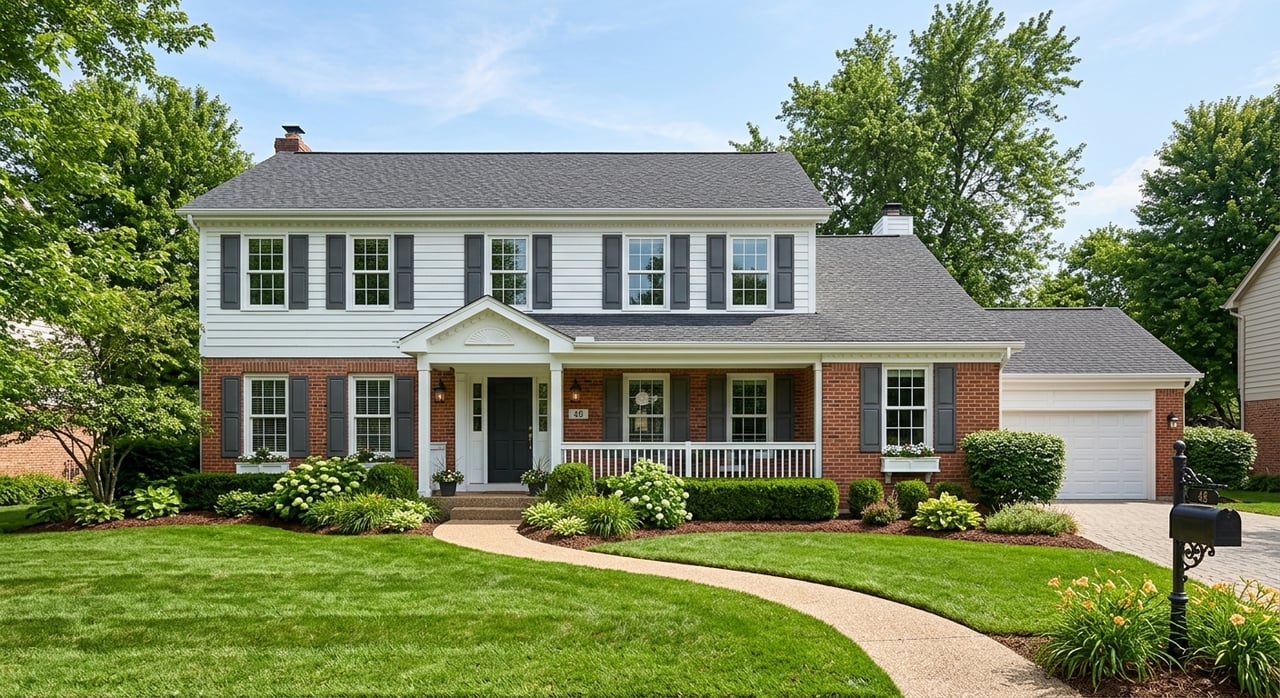
How To Read A Southeast Michigan Home Listing Like A Pro
April 9, 2026
April 9, 2026
Wondering why one home in Howell seems like a deal, while a similar listing in Troy or Warren raises red flags? A home listing can tell you a lot, but only if you know what each detail really means. When you learn how to read the fine print, you can spot timing clues, pricing issues, and follow-up questions before you schedule a showing. Let’s dive in.
Before you look at price, photos, or finishes, check the listing status. In Southeast Michigan, status often tells you how available the property really is and how competitive the situation may be.
According to Realcomp listing status guidance, Active means the home must be available for showings. If a property is marked Coming Soon, it can be marketed but cannot be shown until it becomes Active. That matters if you are trying to time your search or understand why a listing is getting attention before tours begin.
You may also see statuses like Contingent-Continue to Show, Accepting Backup Offers, Pending, or Sold. These labels help you understand whether the seller is still considering other offers or whether the home is essentially off the market. If you are serious about a property, status is one of the first clues that tells you how fast you need to move.
Days on Market, or DOM, can be useful, but it is not always as simple as it looks. Realcomp notes in its subscriber manual that DOM runs from the list date until the property goes to an off-market status like Pending, Unconditionally Withdrawn, or Expired.
Realcomp also tracks cumulative market time when a home is relisted within 30 days under a new MLS number. So if a listing looks brand new, it may still have earlier market history attached. A fresh MLS number does not always mean a fresh start.
That is especially important when you are comparing activity across Southeast Michigan. In Realcomp’s 2024 annual report, Livingston County averaged 35 days on market, Oakland County averaged 26, Macomb County averaged 27, and Wayne County averaged 31. For buyers around Howell, Livingston County can be a useful local proxy, while Troy and Farmington Hills often line up more closely with Oakland County trends, and Warren may be better compared with Macomb or Wayne County data.
Square footage is one of the most misunderstood parts of a listing. Bigger is not always bigger in the way you think.
Realcomp requires listings to include square footage and the source of that measurement, based on its policy handbook. It also separates above-grade living area from lower-level finished space. In other words, a finished basement usually cannot be counted the same way as main-level or upper-level living space.
That means two homes with similar total usable room may be measured differently. A listing with a finished basement, bonus room, or room over the garage may not compare cleanly with one that only reflects above-grade living area. If you are calculating price per square foot, make sure you are comparing the same type of space.
A listing may look generous on paper, but the layout matters just as much as the number. If a room over the garage is included, Realcomp says it counts only if it is attached to and accessible from the main dwelling. That detail can affect whether the space feels like true living area or more like flexible bonus space.
When you read a listing, ask yourself:
This is one reason online comparisons can be misleading. The smarter move is to treat square footage as a starting point, not the final answer.
A list price only means so much without local market context. What feels aggressive in one area may be normal in another.
Realcomp’s 2024 Southeast Michigan report shows meaningful county differences. Livingston County posted a median sales price of $385,000, 16 showings per listing, 35 days on market, and 100.0% of list price received. Oakland County had 20 showings per listing and 26 days on market, while Macomb County had 21 showings and 27 days on market.
For you as a buyer or seller, this means a listing should never be judged in a vacuum. A home in Howell may behave differently from one in Troy, Farmington Hills, or Warren even if the photos and size seem similar. The local pace of showings, competition, and sale-to-list-price trends can all shape how you interpret the asking price.
If a listing says as-is, do not panic, but do pay attention. That phrase is a signal to slow down and ask better questions.
Under Michigan’s Seller Disclosure Act, the Seller’s Disclosure Statement applies to most transfers of 1 to 4 residential dwelling units. The law also states that the disclosure is not a warranty and not a substitute for inspections. Sellers generally must deliver the disclosure before a binding purchase agreement is signed.
Michigan case law also makes clear that an as-is clause does not protect a seller from fraudulent or pre-contract misrepresentation, according to this Michigan Court of Appeals opinion. In plain English, as-is shifts some risk to the buyer, but it does not erase the need for honesty.
The official Michigan disclosure form asks about issues that are easy to miss if you skim. These are not throwaway details.
Pay close attention to notes about:
These items come directly from the Michigan statutory disclosure form. If any of them appear in the listing or disclosure, treat them as a cue for follow-up, inspection planning, and document review.
Some listings offer even less access than usual. Realcomp policy says that when a seller does not have access to the property, remarks must state that interior inspections are not available and that the property is being sold as-is, according to the Realcomp policy handbook.
That kind of language is important. It usually means you are not looking at a standard listing experience, and you should expect more unknowns than usual.
If the listing mentions an HOA, do not stop at the monthly fee. The real cost of ownership is usually broader than that single number.
Fannie Mae explains in its guide to what you need to know about your homeowners association that HOA boards set rules, collect fees, and enforce them. It also notes that dues vary based on location, age, condition, property value, and amenities, and that special assessments can happen.
That means your monthly payment picture should include:
Michigan’s disclosure form also asks whether a property has common areas or a homeowners association with authority over it. If the listing mentions an HOA or condo structure, it is smart to ask for the rules, bylaws, dues, and any known assessments early in the process.
One of the biggest mistakes buyers make is assuming the tax line in a listing reflects what they will pay after closing. In Michigan, that can be a costly assumption.
The Michigan Department of Treasury says a transfer of ownership generally causes taxable value to uncap in the calendar year after the transfer, unless an exemption applies. The state also notes that buyers should not assume the seller’s current taxes will remain the same after purchase.
For Southeast Michigan buyers, that means a listing’s tax figure is a useful reference point, but not a promise. This is especially important in areas like Howell and greater Livingston County, where buyers may focus on affordability and monthly payment planning. A home that looks comfortable on paper can feel different once future taxes are estimated correctly.
If you want to read a Southeast Michigan home listing like a pro, use this quick checklist before you book a showing:
A good listing should help you ask smarter questions. It should not push you into assumptions.
From Howell to Troy, Farmington Hills to Warren, listings can look similar at first glance while telling very different stories once you read them closely. The more you understand status, square footage rules, disclosure language, HOA notes, and tax context, the more confident you can feel when you decide what is worth your time.
If you want help interpreting a listing, comparing market context, or planning your next move, the Broadwell Homes Team is here to guide you with clear advice, local insight, and a people-first approach.
Stay up to date on the latest real estate trends.

Contact Lindsey Broadwell today to learn more about her unique approach to real estate, and how she can help you get the results you deserve.