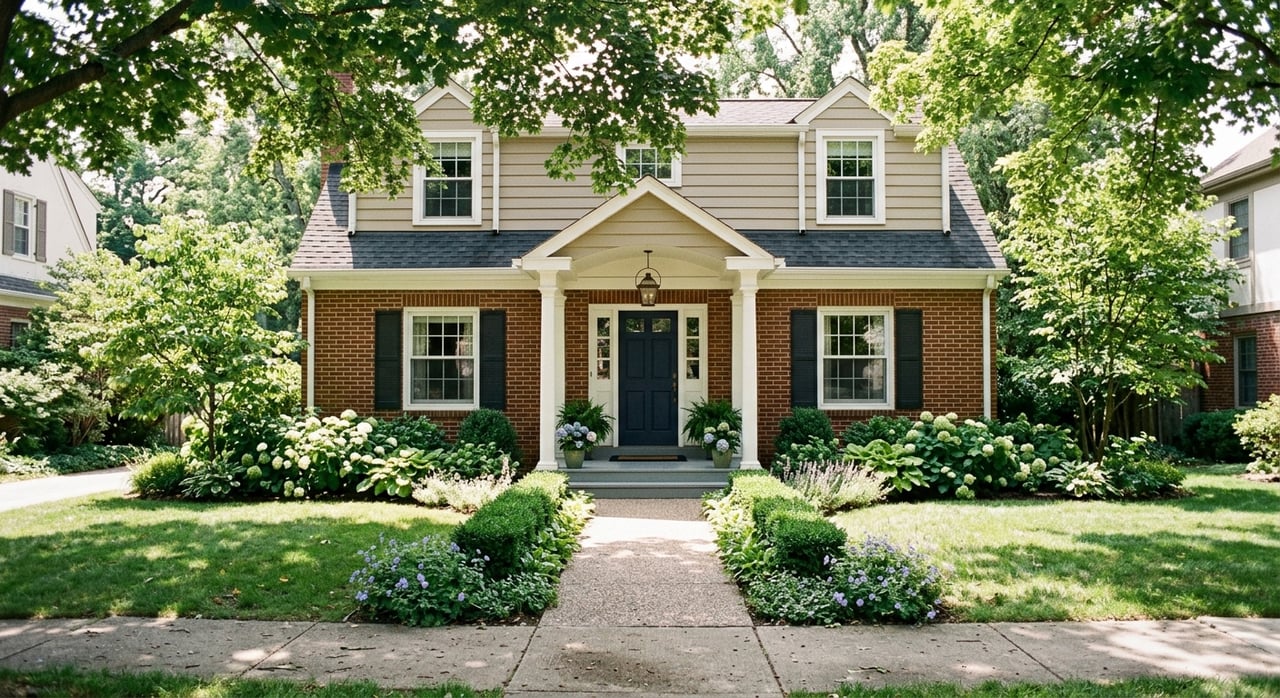
Downtown Howell Vs Nearby Neighborhoods: How To Choose
June 4, 2026
June 4, 2026
Trying to choose between Downtown Howell and the nearby neighborhoods? You are not alone. Many buyers love Howell’s small-town feel but get stuck deciding whether they want a more walkable, mixed-use setting or a home with more space and privacy. This guide will help you compare the tradeoffs clearly so you can focus on the lifestyle that fits you best. Let’s dive in.
Downtown Howell offers a compact, active setting in the heart of the city. Howell itself is a small city of about 4.99 square miles, with an estimated 9,896 residents in 2025, so this choice is usually less about distance and more about how you want to live day to day.
The downtown core is built around historic buildings, restaurants, shops, events, sidewalk cafes, bike lanes, and a seasonal farmers market. Howell Main Street also notes that the downtown social district operates seven days a week from 11 a.m. to 10 p.m., allowing outdoor alcohol consumption within the designated district.
Downtown is not just a place to visit on weekends. The business mix includes dining, attractions, shopping, professional services, churches, and municipal-related uses, which creates a steady daily rhythm rather than a nightlife-only feel.
If you live near downtown, you may be able to handle some short errands without driving across town. With restaurants, events, and services concentrated in a relatively small area, the appeal is convenience and activity rather than large private outdoor space.
A 2023 downtown snapshot showed 13 blocks, 108 parcels, 856 public parking spaces, 85 first-floor storefronts, 51 residential units, 17 restaurants, 25 retail stores, and a 1.4% storefront vacancy rate. While those numbers are a point-in-time snapshot, they help show how active and concentrated the core is.
If downtown is the compact option, nearby neighborhoods typically offer more room to spread out. The City of Howell master plan identifies a range of housing types within the city, including single-family neighborhoods near the central business district, the Michigan Avenue corridor, and Thompson Lake, along with multiple-family areas south of M-59.
Once you move outward into Howell Township, the housing pattern shifts more clearly toward larger lots, rural character, and lower-density development. The township says buyers can find everything from high-density neighborhoods to small-lot subdivisions, acreage parcels, country estates, and farms.
That variety matters if your home search is centered on lot size, privacy, or a more open setting. The township master plan describes Howell Township as historically rural and agricultural, with farmland, open space, and many large-lot or estate-style properties.
Howell Township reports that about 62% of township land is zoned Agricultural Residential. More than half of that land is active farmland, which helps explain why many outer areas feel more spacious and rural.
Some homes in township areas may also rely on private wells and septic systems rather than public sewer and water. Howell Township notes that properties not connected to public systems are served this way, while public water is supplied through the Marion, Howell, Oceola, Genoa Water Authority.
The clearest way to choose is to focus on a few lifestyle priorities. In Howell, the decision usually comes down to walkability vs. space, mixed-use convenience vs. privacy, and smaller-lot city living vs. larger-lot township living.
Neither option is automatically better. The right fit depends on how you want your home to support your everyday routine.
Downtown Howell is the stronger match if you want to be close to restaurants, events, cafes, and a more active street environment. You are choosing access and energy over a large yard.
Nearby neighborhoods and township areas are often a better fit if you want more outdoor space, more distance between homes, or the possibility of acreage. You are trading some convenience for room and privacy.
Downtown’s mixed-use setup can make daily life feel easier if you enjoy having services and gathering places nearby. That convenience can be especially appealing if you like being able to step out for coffee, dinner, or community events without making every outing a bigger drive.
By contrast, outer neighborhoods usually feel less concentrated and more residential. If you picture your ideal home as a place with a quieter setting and fewer nearby commercial uses, the neighborhoods outside the core may line up better with your goals.
Downtown-adjacent housing tends to come with smaller lots and more shared urban space. Depending on the specific property, you may also see more attached or mixed-use housing near the core.
As you look farther from downtown, you are more likely to find larger lots, estate-style parcels, farm-adjacent properties, and settings shaped by open land. For many buyers, that difference alone can make the choice much easier.
For most Howell buyers, commuting is still largely car-based. Howell city’s mean travel time to work is 29.9 minutes, while Livingston County’s is 30.6 minutes, which suggests the broader area functions as a commuter market.
In practical terms, the difference between living downtown and living in a nearby neighborhood may not dramatically change your work commute. Route choice and highway access often matter more than whether you are just inside the city or slightly farther out.
Both the city and township benefit from strong regional road access. Official local sources highlight connections to I-96, US-23, M-59, and Grand River, which support travel throughout the region.
Downtown does have L.E.T.S. transit service, but the downtown listing shows weekday service only, with no Saturday or Sunday service. Because of that, most households still plan around driving for regular mobility.
If you are still deciding, it helps to picture your normal week instead of focusing only on the house itself. Think about how often you want to drive, how much outdoor space you want, and whether you enjoy a more active setting or a more private one.
Here is a simple way to frame the decision.
When buyers feel torn between two areas, the best next step is usually not to guess. It is to compare a few homes in each setting and pay attention to how each area feels in person.
You may be surprised by what matters most once you start touring. Some buyers realize they care more about walkability and convenience than they expected, while others quickly decide that lot size and privacy matter more than being close to the downtown core.
A local, relationship-first approach can make that process much easier. When you work with an advisor who understands Howell’s housing patterns and listens closely to your priorities, you can narrow the search faster and with more confidence.
If you are weighing Downtown Howell against nearby neighborhoods, the right choice is the one that matches your everyday life, not just your wish list. When you are ready to compare options and find the best fit, connect with the Broadwell Homes Team.
Stay up to date on the latest real estate trends.
Contact Lindsey Broadwell today to learn more about her unique approach to real estate, and how she can help you get the results you deserve.